
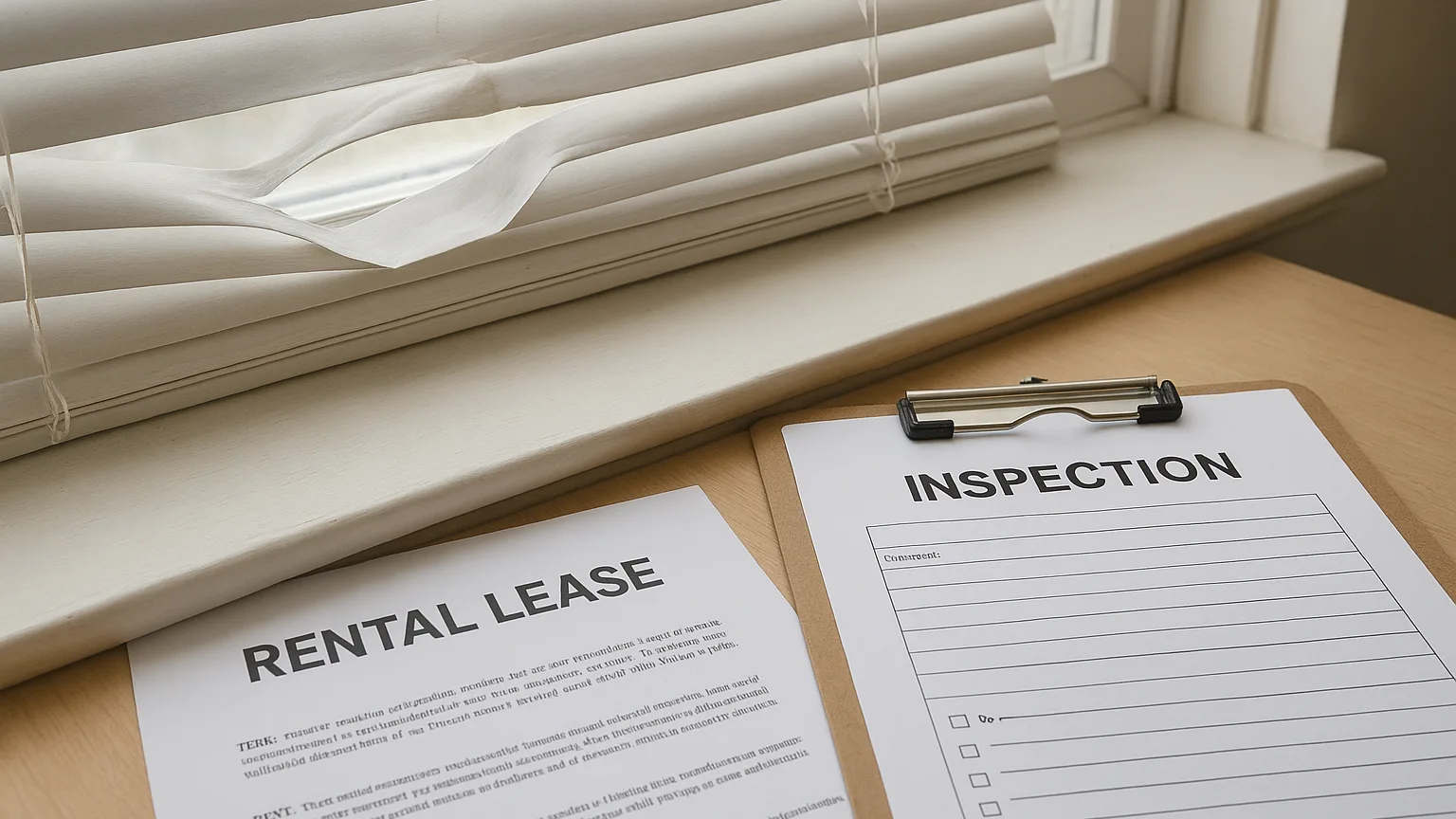
Window blinds are often one of the cheapest things in a rental, yet they can start some of the loudest move-out fights. A $15 blind can turn into a $200 deposit dispute in one email.
The story often goes like this. The tenant says the blinds were old and flimsy when they moved in. The owner says they were fine. Nobody has a clear photo, so it becomes one person's word against the other's.
Think of a blind as a witness. It records sun, pets, kids, smoke, and rough hands. The trouble is that most owners pick blinds that tell a confusing story. Damage and normal aging look almost the same on cheap slats. The question of what counts as normal aging is the same one owners face when charging for floor scratches, and the rule is the same too. You can charge for damage, not for time.
Some blind styles cause more trouble than others. Here are the usual suspects.
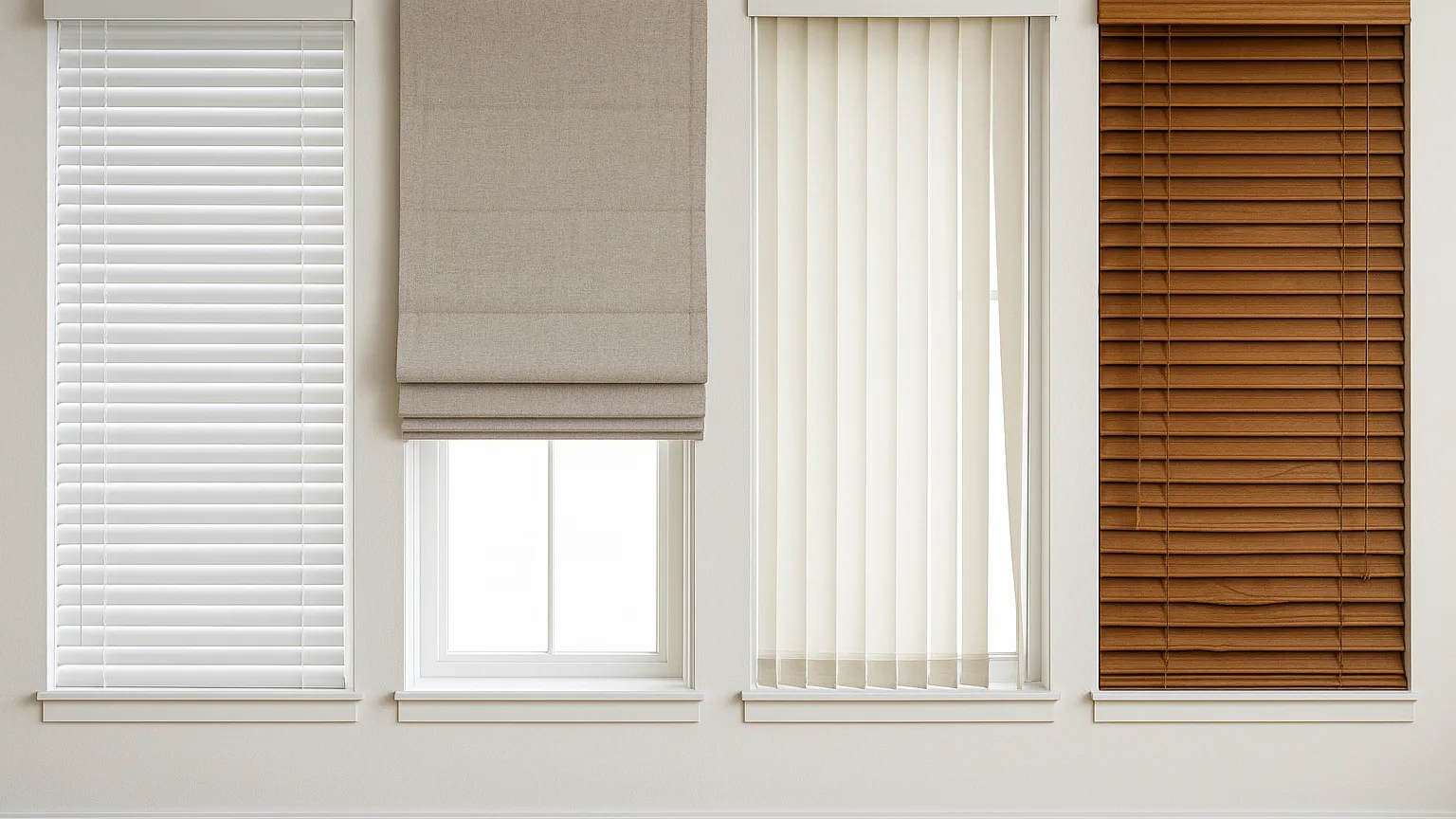
Thin Vinyl Slats
The cheapest vinyl blinds bend if someone so much as peeks through them. One curious cat or one toddler can crease a dozen slats in a day. Vinyl also warps and yellows in strong sun. At move-out, you cannot easily tell a heat warp from a hand crease. That gray area is where fights grow.
Corded Fabric and Roman Shades
Fabric shades look nice in a listing photo. But they soak up smoke, cooking grease, and pet hair. Their lift cords fray and snap. Cleaning them is hard, and replacing one can cost far more than a basic blind. A tenant who pays $80 for a "stained" shade will push back hard.
Vertical Blinds on Sliding Doors
Vertical vanes get hit every time someone walks through the patio door. Dogs run through them. The little plastic hooks at the top crack and drop vanes on the floor. After a year or two, missing vanes are common even with careful tenants. Charging for them often feels unfair to the renter, and a judge may agree.
Real Wood Blinds
Real wood seems like an upgrade. In a rental, it is a liability. Wood can crack, warp near steamy bathrooms, and chip when slats knock together. It also costs a lot to replace one window, which raises the stakes of every claim.
The pattern is simple. The more fragile or costly the blind, the bigger the fight when it breaks.
The goal is not the prettiest window. It is the window that looks the same on move-out day as it did on move-in day. That means sturdy, low-cost, and easy to swap.
For most rentals, aluminum is the workhorse. Metal slats spring back better than thin vinyl, resist sun damage, and wipe clean with a damp cloth. They are also easy to find in standard sizes, so replacing one is quick. If you want to compare widths, colors, and price points, a quick look at how mini blinds compare on cost shows why they stay a favorite for rental units.
Faux wood is the next step up. It looks like wood but is made of composite or PVC. It handles bathroom steam and kitchen grease better than real wood. Choose the 2-inch slat size, which is stiffer and harder to bend than narrow slats.
The Owner's Blind Shopping Rules
- Go cordless when you can. Cordless lifts remove the snapped cord problem and are safer for kids and pets.
- Pick one color for every unit. White or off-white hides fading and lets you share spare blinds across properties.
- Keep spares in storage. Two or three common sizes on a shelf turn a repair call into a five-minute swap.
- Skip fabric in kitchens and smoking-risk units. Hard slats clean up. Fabric holds onto smells.
- Use inside mounts with sturdy brackets. Loose brackets lead to blinds that crash down and get blamed on tenants.
Sun Changes the Math
In hot, bright places like the Phoenix area, sun is the biggest blind killer. West-facing windows can warp vinyl in a single summer. That damage is normal aging, not tenant fault, so you cannot fairly charge for it. Buying heat-ready blinds up front saves you that loss.
Local installers who work in desert heat know which materials hold up and which ones sag by August. Owners who would rather not measure and mount every window can look over blind companies around Phoenix that already know what Valley sun does to cheap slats.
A Quick Cost Reality Check
A basic aluminum blind for a standard bedroom window often costs less than a takeout dinner. A faux wood blind may cost two or three times that. A custom fabric shade can cost ten times as much. When you multiply by eight or twelve windows, the gap is real. But the bigger cost is the time spent arguing over a deduction. Cheap, tough, matching blinds cut that time down to almost nothing.
Good blinds help. Good records win. Most deposit fights over blinds come down to one missing thing: proof of what the blinds looked like on day one.
Put Blinds in the Lease by Name
Your lease should say blinds are part of the unit, list how many there are, and note their style. Add a short line about care. For example: "Tenant agrees not to remove, cut, or replace window coverings without written consent. Blinds should be raised and lowered using the wand or lift, not by hand." Also state that tenants may not hang their own curtains with new holes unless you approve it. Clear words stop the "I didn't know" defense.
Take Photos That Actually Prove Something
A wide shot of a bedroom does not show a bent slat. You need close, planned photos. The same habit that helps owners photograph every floor before move-in works for windows, too.
For each window, take these shots:
- The blind fully closed, slats tilted shut, so gaps and bends show up
- The blind fully raised, to show the headrail and brackets
- A close-up of the wand, cord, or lift mechanism
- A close-up of the bottom rail, where pets and kids do the most harm
Name each photo by room and window, such as "Bedroom 2, north window." Keep the date and time stamp on. Share the photos with the tenant and have them sign the move-in checklist. Then repeat the exact same shots at move-out. Side-by-side photos settle most arguments before they start.
Normal Aging Versus Real Damage
Here is a fair way to sort what you see at move-out.
Usually normal wear and tear:
- Light fading or yellowing from sun
- Dust and light grime, which the wrong blind dusting method can make look worse
- One or two slightly bent slats after a long lease
- Stiff tilt mechanism from age
- Warping on a sunny window
Usually tenant damage:
- Many creased or snapped slats in one spot, like a pet's favorite window
- Chew marks on slats or the bottom rail
- Cut or knotted cords and missing wands
- Heavy smoke staining or a strong odor
- Blinds removed and lost, or brackets ripped out of the frame
Charge for What Is Left, Not for New
Even when damage is real, charge only for the life the blind had left. Say a blind should last about five years. If it was four years old, the tenant used up most of that life already. Charging the full price of a new one is the fastest way to lose a dispute. A small, fair charge with photos is hard to argue with.
Keep your receipts for blind purchases too. If you can show the date and price, your math holds up in any review.
Let the Slats Tell a Clear Story
Blinds start deposit fights because they are fragile, costly to replace, or hard to judge. Thin vinyl, fabric shades, vertical vanes, and real wood all leave owners guessing at move-out. Sturdy aluminum or 2-inch faux wood, cordless lifts, one matching color, and a few spares on the shelf take most of that guessing away.
The rest is proof. Name the blinds in the lease, shoot the same close-up photos at move-in and move-out, sort damage from normal aging with a fair eye, and charge only for the life that was left. Do that, and the cheapest item in your rental stops being the source of your biggest headaches.