
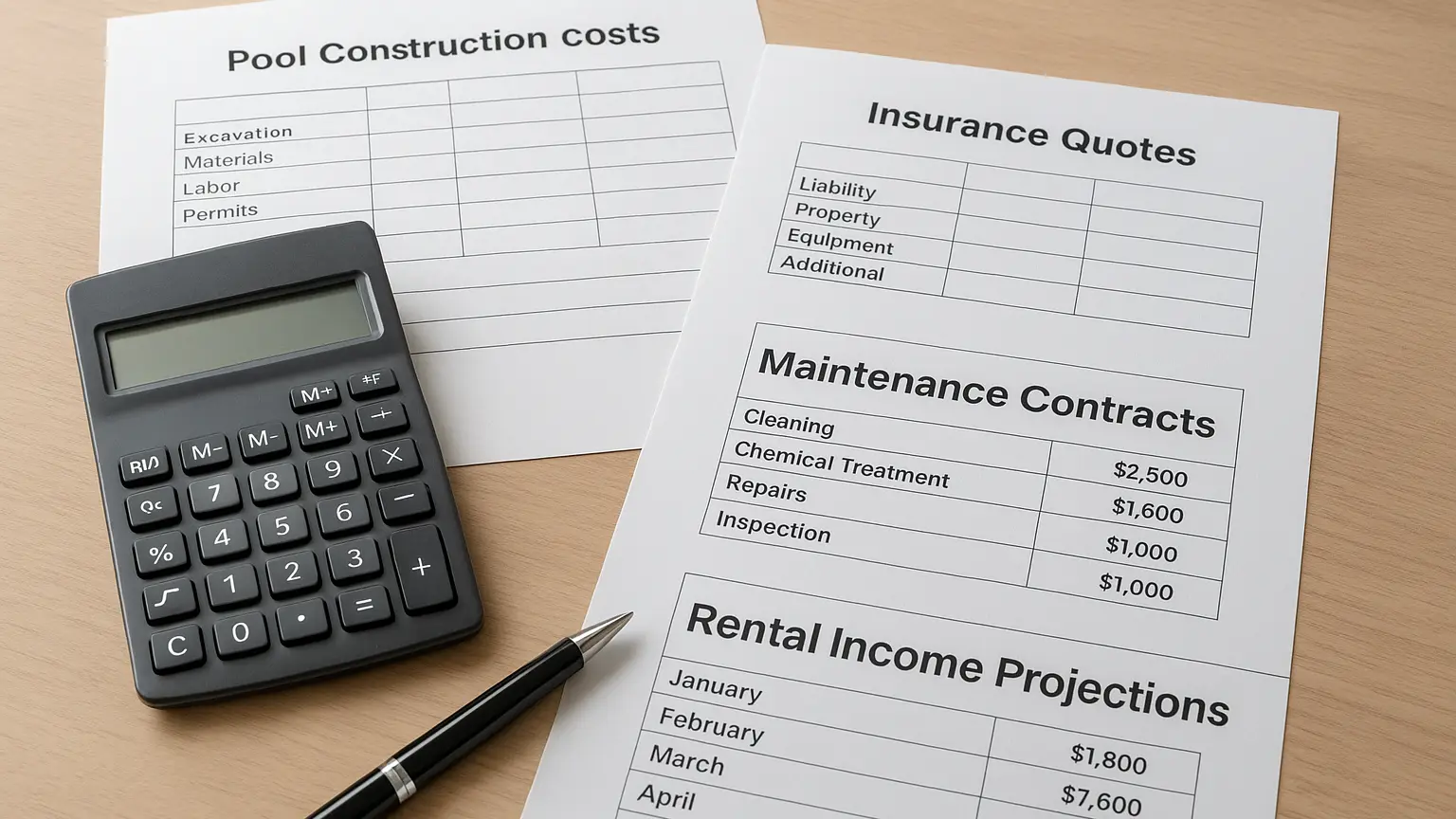
A pool can make a rental feel like a resort. It can also cost you money every single month for 15 years. Below is one real-world style ledger, line by line, so you can see which way your numbers tip before a single shovel hits the dirt.
Most owners judge a pool by one question: "How much more rent can I get?" That is only half the story. A better way to think about it is to picture the pool as a second tenant living in your backyard. This tenant pays you rent each month. It also has bills, needs repairs, raises your insurance and can sue-proof you or sink you, depending on how you set it up.
If that second tenant pays more than it costs, the pool is a good investment. If not, you are paying for someone else's summer fun.
Why Owners Skip This Math
Pool builders sell the dream. Tenants love the photos. Listing agents say pools "always rent faster." All of that can be true, and the pool can still lose money. The trouble is that the costs are spread out. Some show up on day one. Others hide in your insurance renewal or in a resurfacing bill 12 years later.
Your management fee can also shift, since some managers charge extra to oversee pool vendors and inspections. If you have not looked at property management costs in Phoenix lately, add that line before you trust any rent bump.
What Tenants Actually Want From a Pool
Renters are not paying for a fancy waterfall. They want clean water, a safe fence, and a pool that is ready when the heat hits in May. Features like saltwater systems, LED lights and app controls can help you stand out, and many of the latest pool design trends lean toward low-water, low-energy builds that also cut running costs. For a rental, though, simple and durable beats showy every time.
- A plain rectangle or freeform shape is cheaper to build and resurface.
- A variable-speed pump lowers the power bill your tenant pays.
- An automatic cover or a solid barrier fence lowers your risk.
- Skip slides and diving areas. They add cost and liability, not rent.
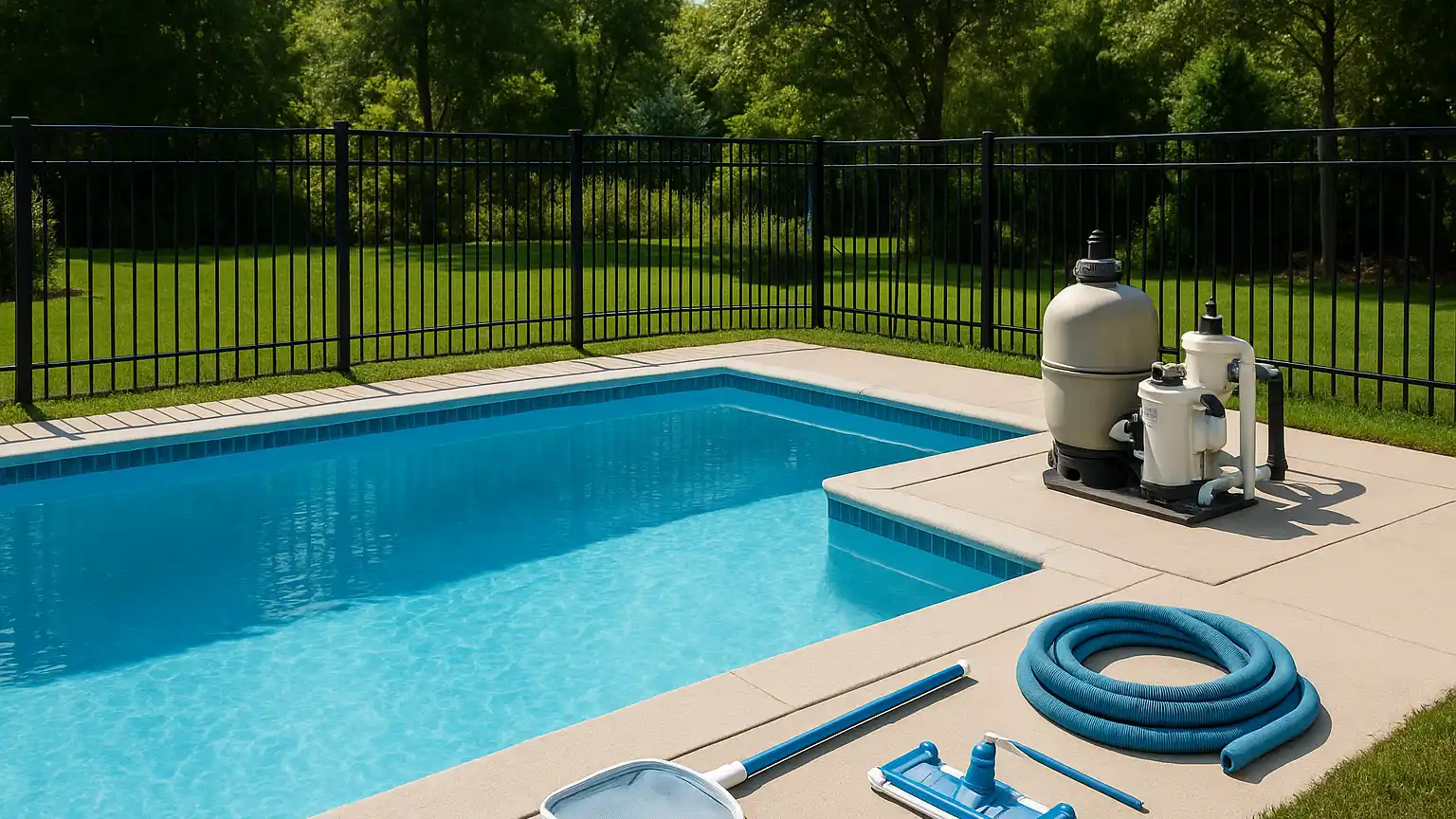
Let's build a sample pool for a three-bedroom single-family rental in the Phoenix area. These figures are rounded and will vary by lot, soil and builder, but they reflect the kind of quotes owners see in 2026.
Day One Construction Costs
- Concrete pool, basic design: $62,000
- Barrier fence and self-closing gate: $4,500
- Permits, inspections and engineering: $2,500
- Yard repair, decking touch-ups and landscaping: $6,000
Total upfront: about $75,000.
Notice that the pool itself is only part of the bill. The fence is often required by code. The yard will look torn up after heavy equipment rolls through, and you will need to fix it before you can list the home. If you plan to bring in crews for that last step, the pros on our list of landscaping companies in Arizona know how to work with desert soil and heat.
“On a rental, the owner should price the pool like a 15-year asset, not a weekend toy. Hard digging, permits and the barrier fence are where budgets slip if nobody plans for them,” says Marcus Delgado, senior project estimator at Saturn Pools, a family-owned builder that has served Glendale since 2004.
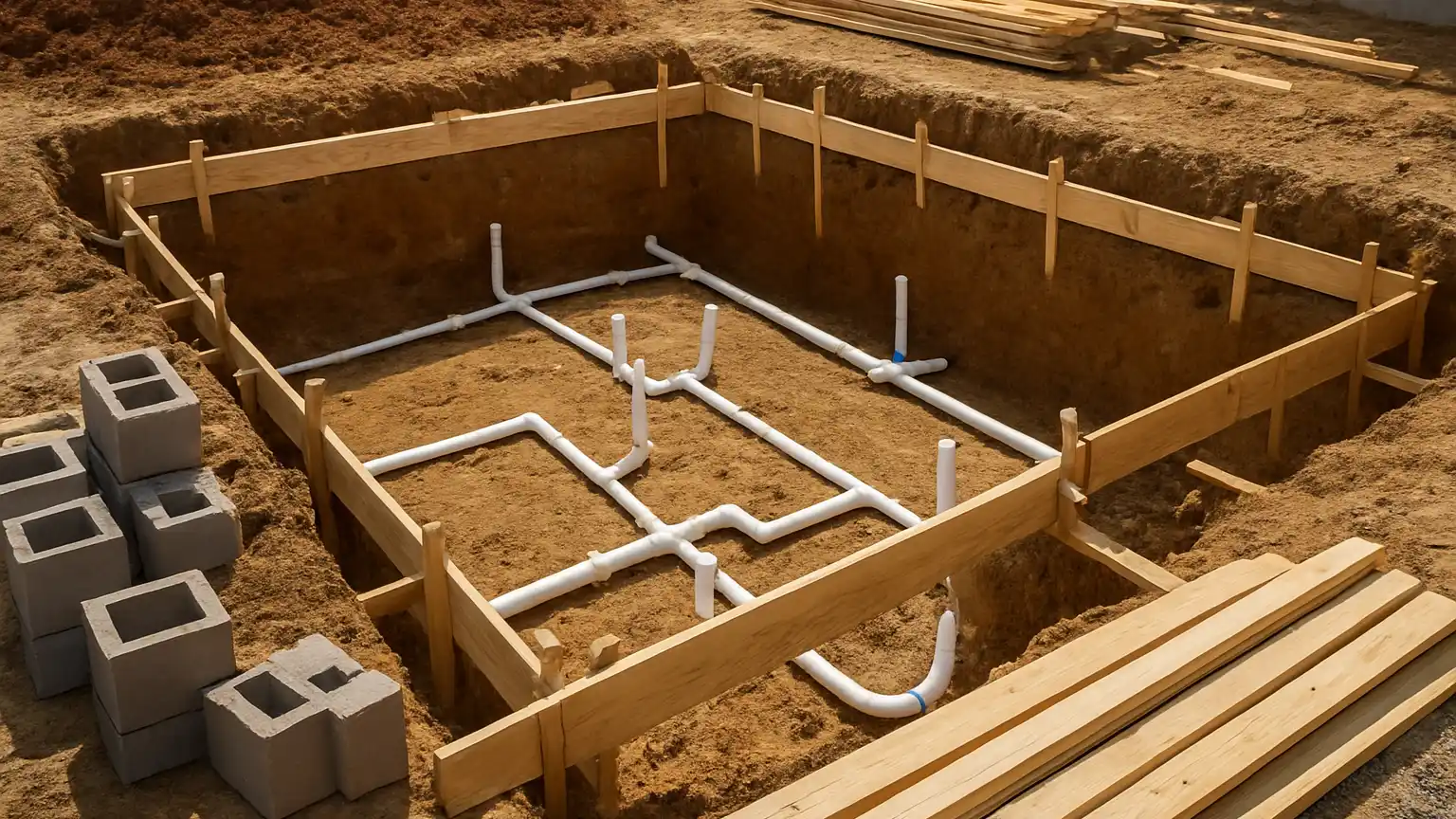
That point about digging matters in Arizona. Many lots sit on caliche, a rock-hard layer of soil that can add thousands to the dig. Get a soil check written into the quote so the price does not jump halfway through.
The Yearly Running Tab
Once the pool is full, the second tenant starts sending you bills. Here is what a typical year looks like:
- Weekly pool service: $175 a month, or $2,100 a year
- Equipment repair reserve (pumps, filters, heaters): $800
- Resurfacing reserve (about $15,000 every 12 years): $1,250
- Higher property taxes: about $400
- Extra insurance and umbrella coverage: about $700
Total yearly cost: about $5,250.
Should the tenant handle pool care to save you money? Almost never. A tenant who forgets chemicals for two weeks in July can turn the water green and damage the plaster. Paying a pro service, and building that cost into rent, is the safer bet.
Insurance is the line most owners guess wrong. Your landlord policy may go up a few hundred dollars a year. Many carriers will also want a fence, a locking gate and no diving board. Most experts suggest adding an umbrella policy of at least $1 million, because a drowning or serious injury claim can blow past a standard limit fast.
Your lease matters just as much as your policy. Spell out who can use the pool, rules for guests, and who calls for repairs. Many owners do not realize how much falls into rental liability gray zones until a claim lands on their desk, and a pool is one of the biggest of those zones.
How Much More Rent Can a Pool Bring In?
In hot markets, a pool often adds $200 to $350 a month in rent. Let's use $275 for our example. That is $3,300 a year. Now take off a little for vacancy and the months when the pool sits unused in winter. Call it $3,100.
Here is the honest ledger:
- Rent premium: +$3,100
- Running costs: minus $5,250
- Yearly cash result: about minus $2,150
And that is before you count the $75,000 you spent. If that money could earn 5% elsewhere, you are giving up another $3,750 a year. Put together, the pool costs you close to $5,900 a year in real terms.
So When Does a Pool Make Sense?
The numbers above look rough, but they are not the whole picture. A pool can still be a smart move in a few cases:
- Your neighborhood expects one. If most nearby rentals have pools, a home without one may sit empty longer or rent for less.
- You plan to sell soon. A well-built pool may add $25,000 to $45,000 in sale value in some markets, and that resale bump from pools can help close the gap.
- You will live there later. If this is your future home, the pool is partly a personal purchase.
- It is a short-term or luxury rental. Vacation guests often pay much higher nightly rates for a private pool.
Ways to Tilt the Math in Your Favor
Keep the design simple. Choose energy-smart equipment. Charge a separate monthly pool service fee in the lease rather than hiding it in rent, so tenants see the value. Shop your insurance before you build, not after. Small choices like these can cut the yearly gap by half or more.
Before You Sign the Pool Contract
A new pool is not a simple rent booster. It is a long-term asset with a big upfront price, steady service bills, higher insurance and real liability. In our sample rental, a $75,000 build brought in about $3,100 a year in extra rent while costing over $5,000 a year to run. On cash flow alone, the second tenant in the backyard does not pay its way.
That does not mean the answer is always no. If your street is full of pool homes, if you plan to sell or move in, or if you run a high-end or short-term rental, the math can shift in your favor. Run your own numbers with real quotes, real insurance prices and an honest rent estimate. When the ledger still makes sense after all of that, you can build with confidence instead of hope.