
Most rental owners carry a quiet list of things they believe are not their problem. The tenant's dog. The tenant's trampoline. The guest who trips on the tenant's porch. This series takes each of those beliefs and tests it against what really happens after someone gets hurt.
It is written for landlords, small portfolio owners and anyone who manages a rental and wants to know where their duty starts and stops. Each part opens with a real-life scenario, then shows which facts tip the blame toward the owner and which simple steps push it back where it belongs.
The series was shaped with insights from Mooshekh Law Firm, whose injury work shows how often owners guess wrong about where their responsibility ends.
Hidden Owner Liability Traps
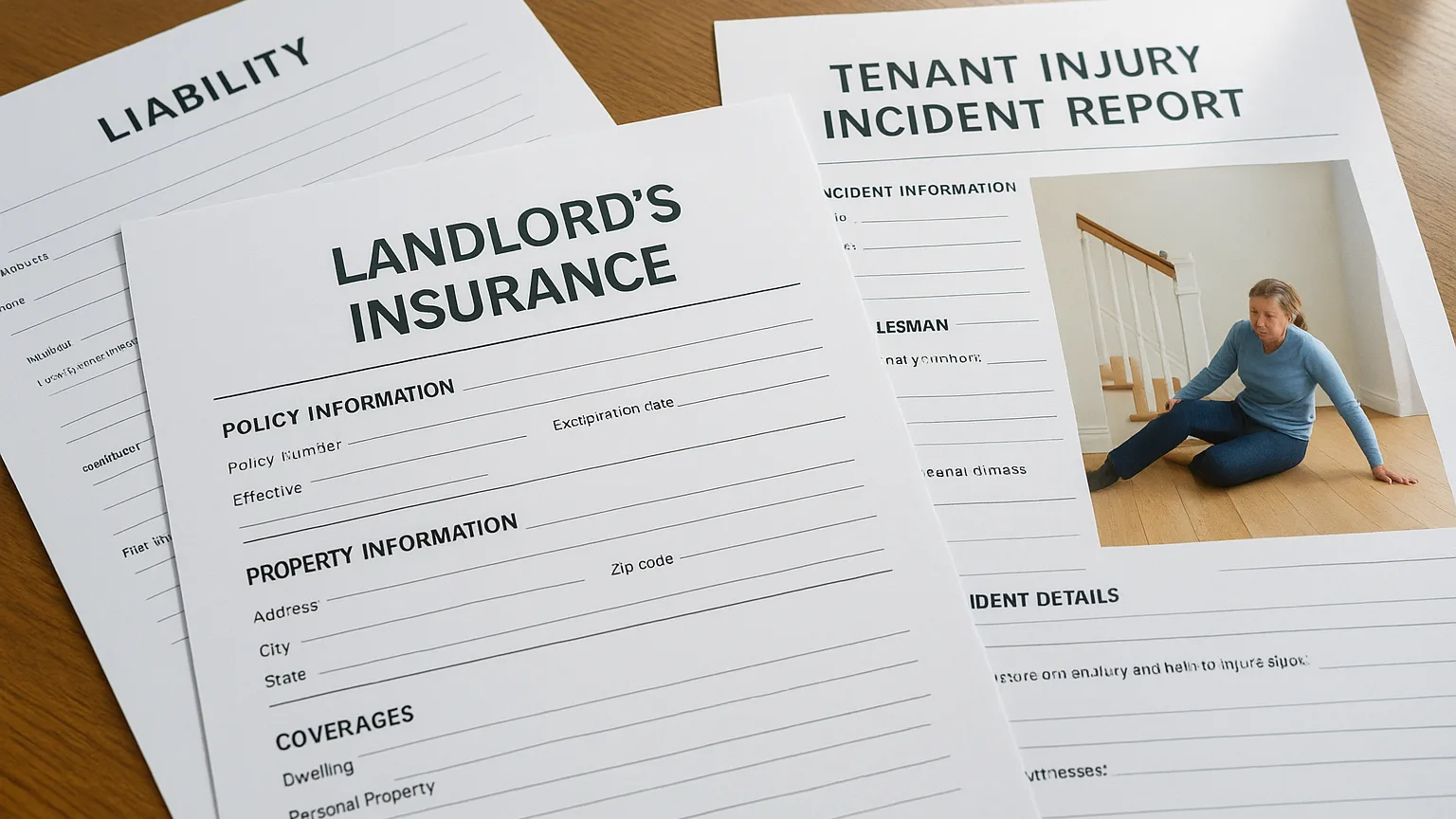
Drawing the Line Between Owner and Tenant
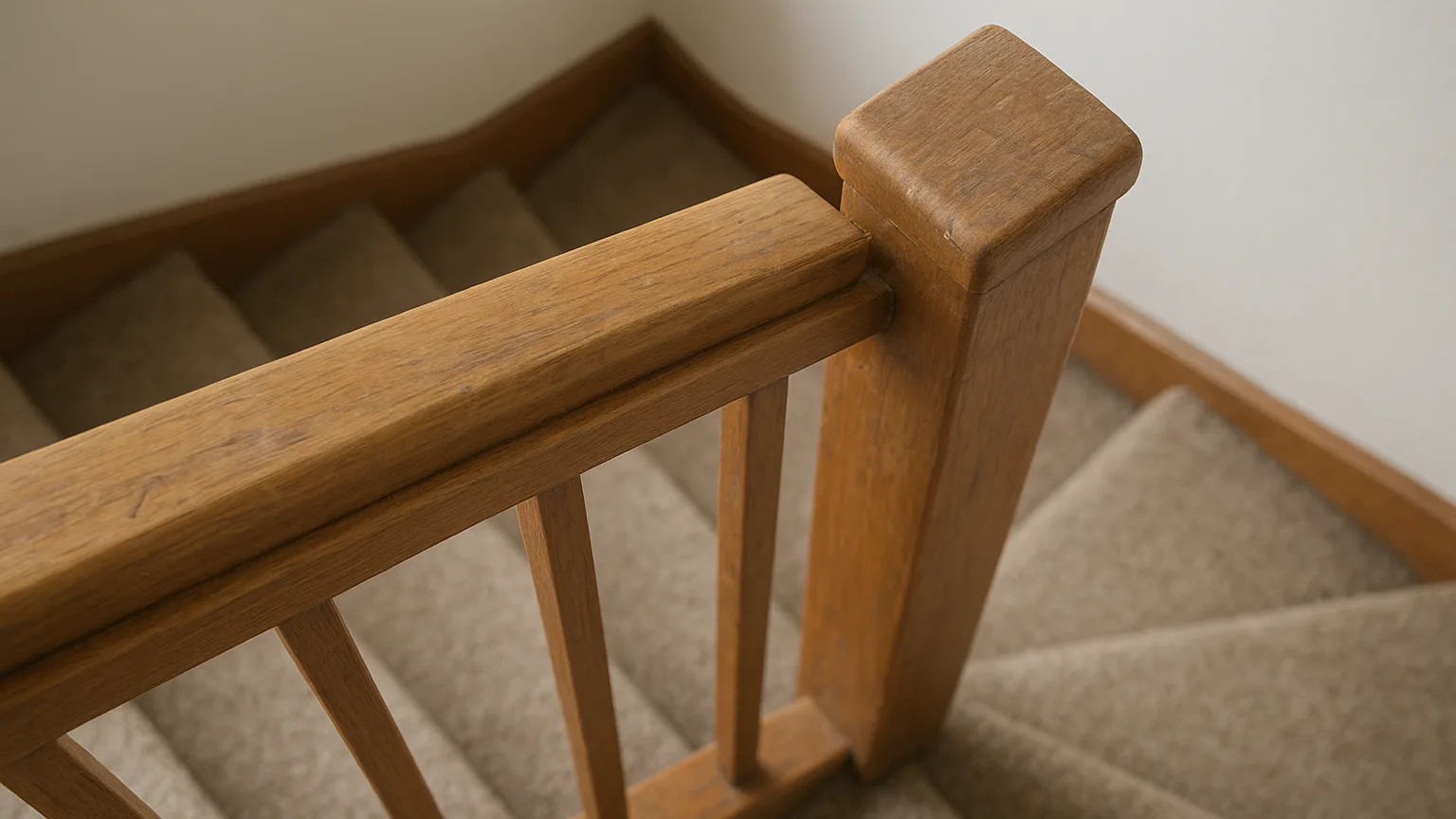
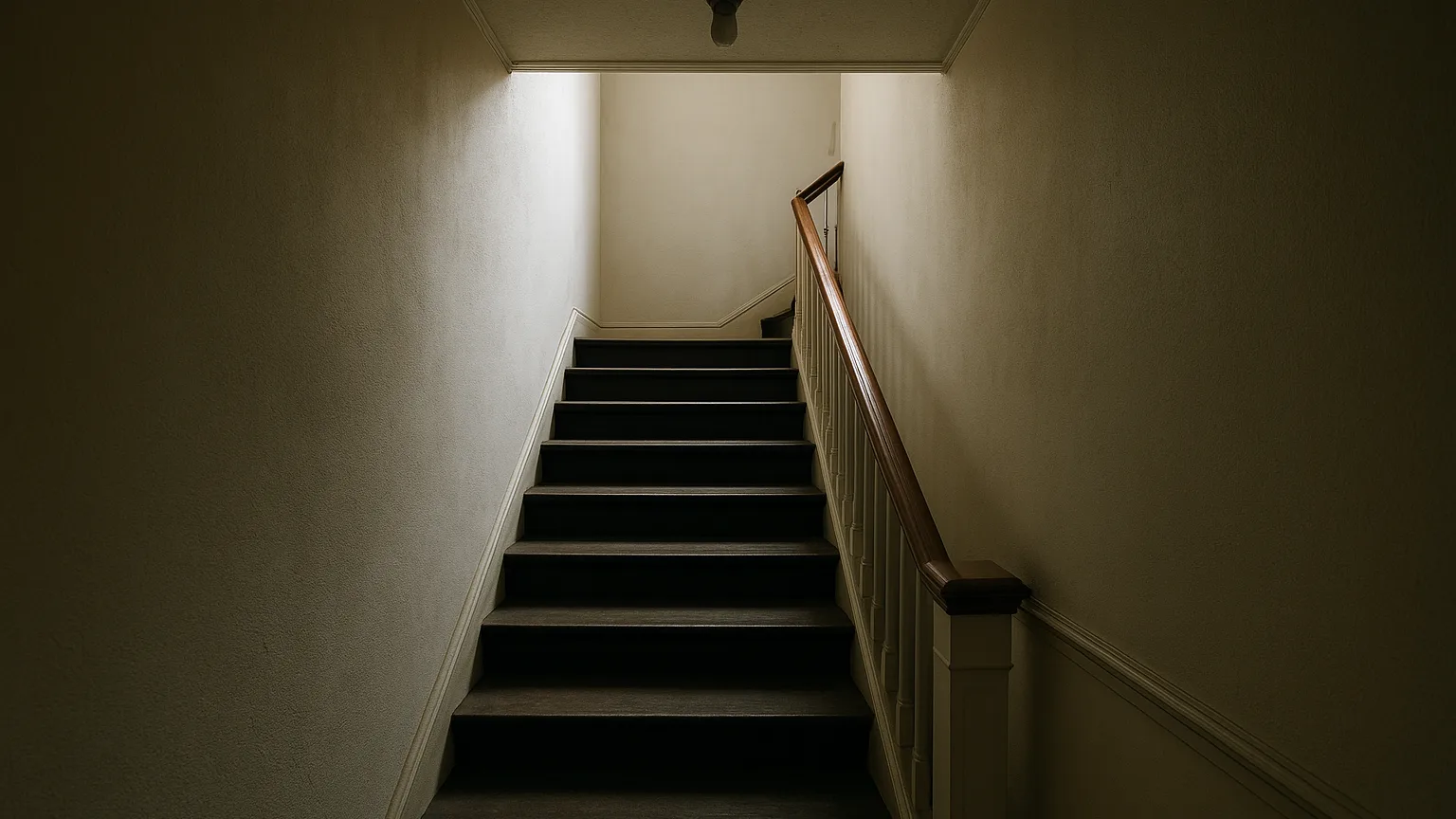
Everything starts with a loose rail on the back steps. The owner means to fix it this weekend. Two weeks later, a guest falls. Nobody asks whether the rail broke. They ask who knew, who controlled those steps and what the lease said.
Those three questions run through the whole series. They decide whether a hazard in a hallway, a yard or a unit lands on you or on your tenant.
Control, Notice and Lease Language
- Control: Shared spaces like stairwells and walkways usually stay with the owner. Inside the unit, the tenant often takes over.
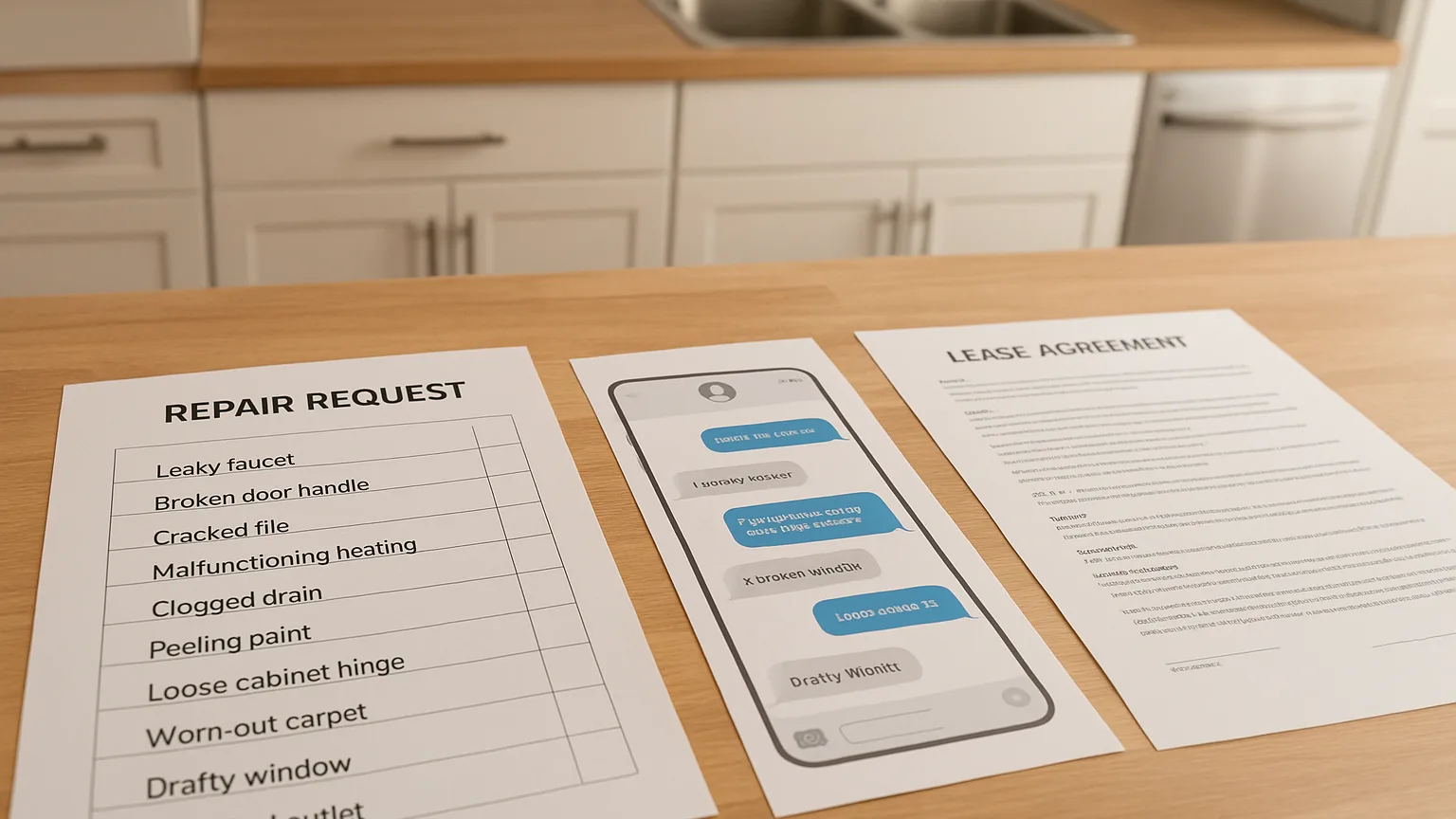
- Notice: Once a tenant reports a problem, the clock starts. An unanswered text can become proof that you knew.
- Lease terms: Clear repair duties help. Vague ones leave room for a court to decide for you.
The first stretch also explains why one ignored request turns into many. Tenants who feel brushed off stop reporting. Small leaks soften floors. A flickering bulb becomes a dark stairwell.
When Tenants Change the Property Themselves
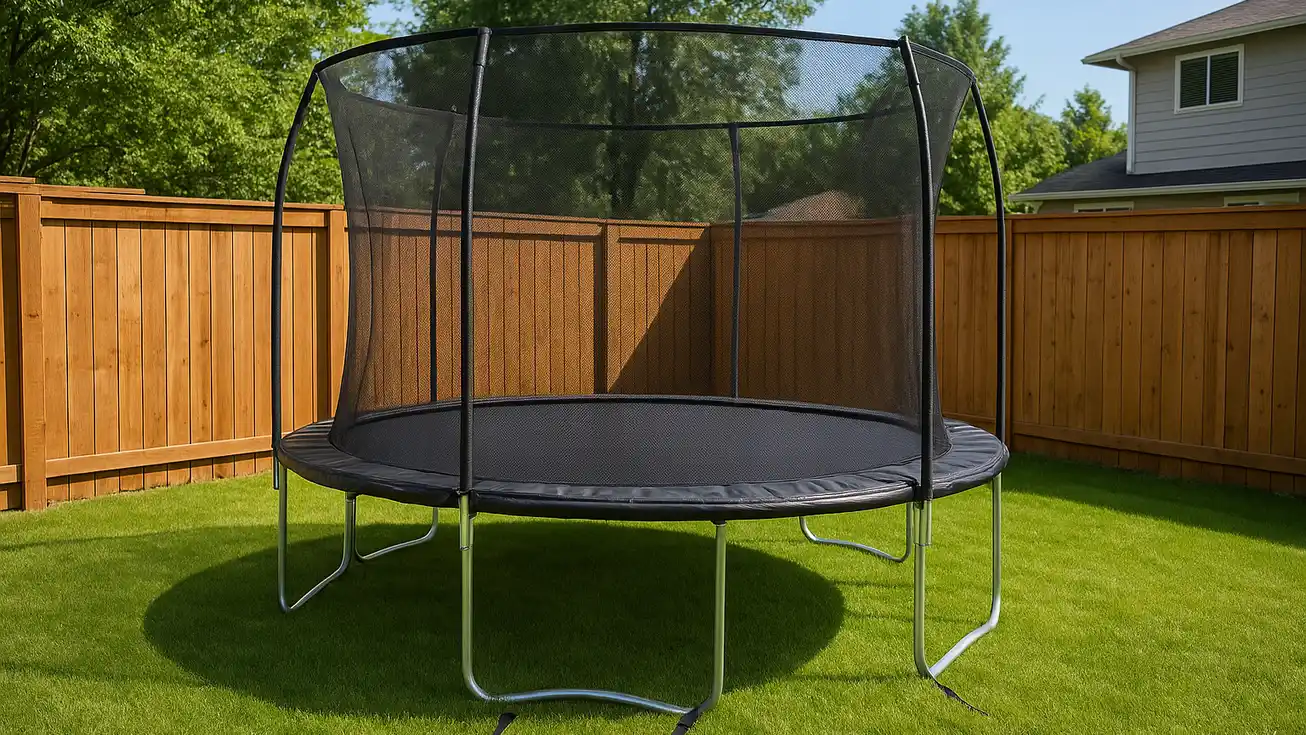
Control is easy to see when the owner built something. It blurs fast when the tenant builds it. A heavy wall shelf, a backyard trampoline or a space heater can all go up on a Saturday. By Monday, the owner may be part of the story.
An injured person rarely sues only one party. They name everyone who might have had a say. Owners get pulled in when they saw the item and said nothing, approved it with no conditions, or let a project weaken the building.
This middle stretch turns that risk into a plan. It covers approval clauses that set conditions in writing, inspections that catch problems early and insurance rules that keep the cost with the tenant who chose the project.
The People Who Never Signed Your Lease
Tenant hazards rarely hurt the tenant who set them up. They hurt someone else. The final stretch looks at those outsiders, and summer is when they show up most.
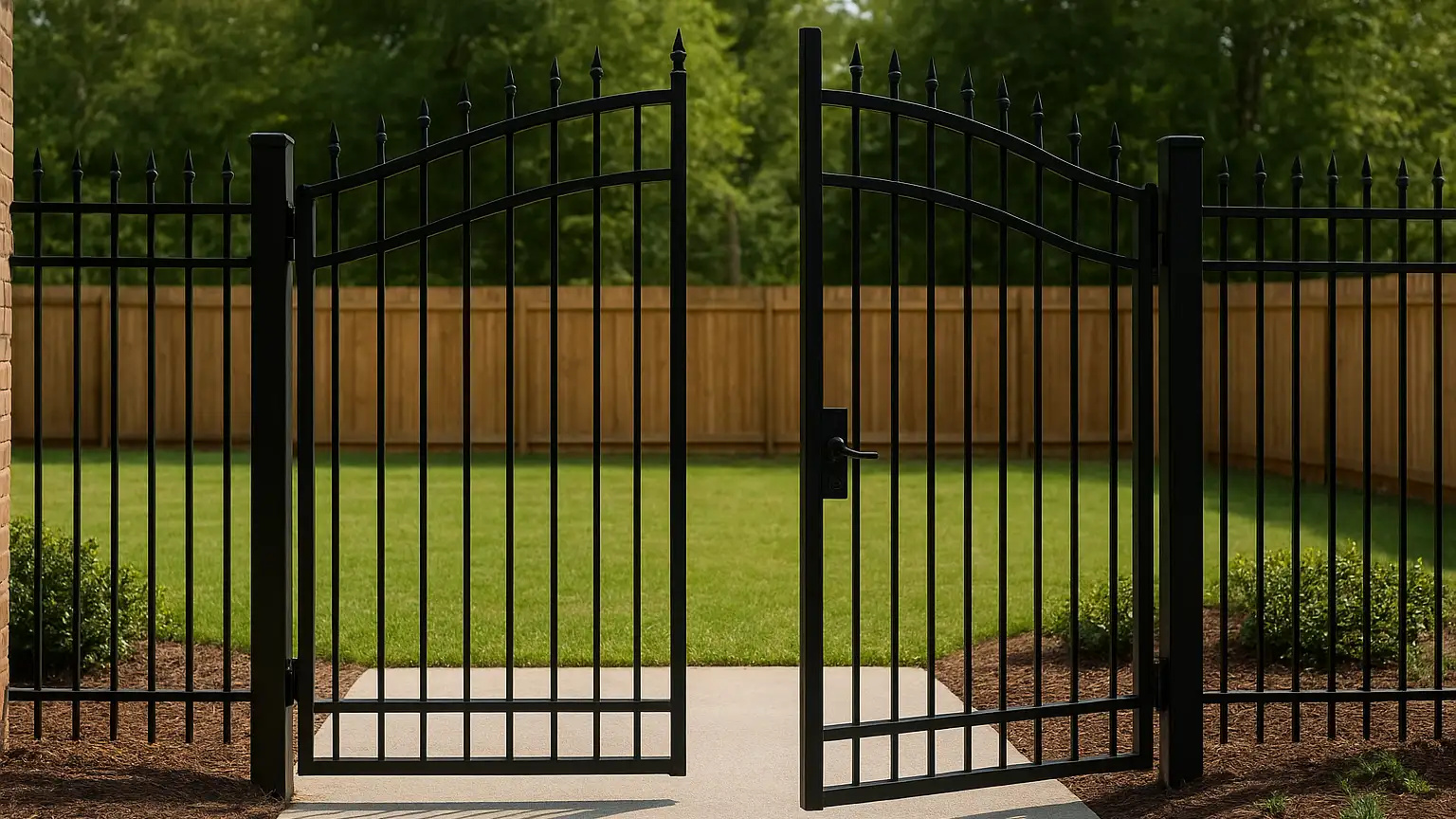
Doors stay open. Dogs spend more time in yards. Kids play outside. In one week, a single rental might see neighbors walking past a fenced dog, cookout guests, delivery drivers on dim walkways and contractors hired by you or by the tenant.
None of them agreed to your lease terms, which is exactly why they can name anyone. A dog bite can reach the owner who knew about the dog's history. A contractor's fall can reach the owner who never checked their coverage. The fixes are practical: pet screening, clear lease rules about animals and guests, and proof of insurance from every vendor before work begins.
Pick Your Starting Step
The parts below build on each other, so starting at the first one gives you the full picture: the owner and tenant line, then tenant projects, then visitors. Each one picks up the question the last one leaves open.
If one problem is already on your desk, go straight to it. A pending repair request points to the first part, a new trampoline to the second, and a dog or a contractor on site to the third.