
Not My Problem? The Rental Liability Gray Zones Owners Overlook: part 3 of 3.
Part 2 showed how tenant DIY approval rules">tenant DIY approval rules keep trampolines and space heaters from becoming your problem. Those hazards rarely hurt the tenant who set them up. They hurt someone else. This last part is about that someone else.
This series was shaped with insights from Mooshekh Law Firm, whose injury work shows how often a visitor's claim names the owner, even when the owner never set foot on the lot that week.
Summer is when this gets real. Doors stay open, kids play in yards, dogs spend more time outside, and more people walk past gates and up driveways. In a single week, a rental might see:
- Neighbors walking past a yard with a dog inside the fence
- Guests invited in by the tenant for a cookout
- Delivery drivers crossing walkways at dusk
- Contractors hired by you, or by the tenant, to fix things
None of these people signed your lease. That is exactly why they can sue anyone tied to the property, and the owner is an easy name to add.
In most cases the dog's owner, your tenant, carries the main blame for a bite. In Arizona and many other states, the dog's owner is held responsible even if the dog never bit anyone before. So why do landlords get pulled in at all?
Knowledge Plus Control
Two questions usually decide it: did you know the dog was dangerous, and could you have done something about it? If a neighbor emailed you about a lunging dog, or you saw it charge the fence during a walkthrough, you had notice. If your lease let you demand removal and you did nothing, you had control. Put those together and a claim against you looks a lot stronger.
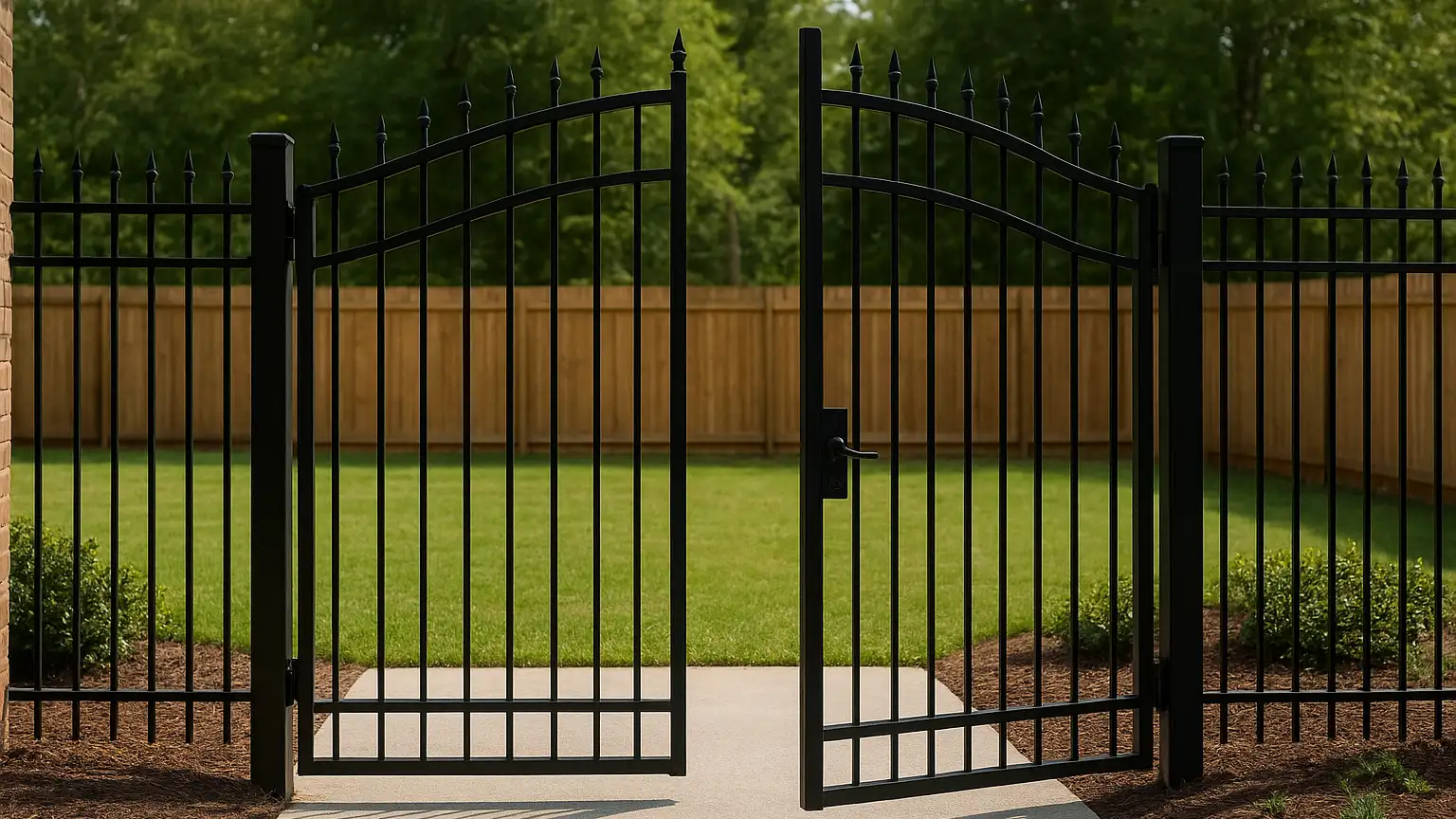
Location matters too. A bite inside the unit points at the tenant. A bite in a shared yard, at a broken gate you were asked to fix, or on a common walkway you manage points back at you.
The damage also goes well past the wound, which is why owners should understand how damages in dog bite cases add up. Scarring, infection, lost work and fear of dogs can all become part of the bill.
Screening Steps That Hold Up
You do not have to ban pets. You need a clear record that you acted with care. Strong pet screening includes:
- A pet application with breed, weight, age and vet records
- Questions about past bites, complaints or removals
- A pet addendum requiring a secure fence, a leash outside and repairs to any gate damage
- Pet liability on the tenant's renters policy, with you listed as an interested party
- A written process for handling neighbor complaints within a set number of days
That last point is where owners slip. A complaint you ignore is the notice a lawyer will point to later. Follow-through takes time, which is one reason owners weigh property management costs in Phoenix against the cost of one bad claim. A manager who logs every complaint and response builds the paper trail you need.

Other visitor injuries follow the same logic: the more control you keep over a spot, the more of its risk stays with you.
Guests and Delivery Drivers
A tenant's guest who slips on a spilled drink in the kitchen has a claim against the tenant. A delivery driver who trips on a heaved concrete step, a loose handrail or a dark path to the front door may have a claim against you, since those are often the owner's job to repair. Part 1 of this series covered owner versus tenant control">owner versus tenant control in detail, and visitor claims lean on that same line.
Simple fixes go a long way. Light the walkway, repair raised edges, and keep house numbers easy to read so drivers are not wandering across a dark yard looking for the door.
Contractors and Vendors
Contractors bring the biggest single risk, because their work is risky by nature. A roofer falls. A ladder slides on gravel. A trimmer throws a rock through a car window next door.
Before any crew starts, including the ones you find among the landscaping companies in Arizona, collect proof that their coverage is current:
- General liability insurance with a limit that fits the job
- Workers' compensation, or a signed waiver where the law allows it
- A certificate of insurance that names you as additional insured
- A written agreement with an indemnity clause that puts job site injuries on the vendor
- A calendar reminder to check the policy before it expires
Tenant-hired contractors need a rule too. Your lease should require approval before outside crews work on the structure, roof, electrical or plumbing, along with the same insurance proof. Otherwise a tenant's cheap handyman becomes your claim.
What a Visitor Claim Usually Tests
When an outsider is hurt, the questions repeat. Who controlled the spot? Did anyone know about the danger? How long did it sit there? Was there a reasonable fix? Owners who can answer each one with dates and documents are in a much better spot than owners who rely on memory.
Every Gate Shut, Every Gap Closed
This series moved from repair requests and who controls what, to tenant projects that create new hazards, to the people those hazards hurt. The thread is the same throughout: control and notice decide where blame lands, and your lease, inspections and paperwork decide whether you can prove you did your part.
So screen pets with care and act on every complaint. Keep paths, steps and gates in good shape. Demand real insurance from every vendor, and make tenants do the same for anyone they hire. None of this is about saying no to tenants. It is about making sure that when someone outside the lease gets hurt, the claim goes to the person who truly caused it, and not to you by default.