
Most rentals look clean at a glance. The trouble hides where nobody looks until move-out day. Here is how to clean the home the way an inspector sees it, from ceiling to floor, plus what to do about carpet before you hand back the keys.
Clean Like the Person Holding the Flashlight
A move-out inspector does not check the middle of your kitchen counter. They open the range hood, look at the window track, and run a finger along the top of a door frame. The spots skipped all year are the spots checked on the last day. That is why so many tenants are shocked by cleaning charges. The home looked fine, just not from the angles that matter.
Hidden grime is also a health issue. Grease in a hood filter can catch fire. A clogged bathroom fan leaves moisture behind, and moisture feeds mold. Dust on fan blades and vents blows around every time the air kicks on, and in a dry, dusty climate like ours, it builds up fast.
“Dust that blows off vents and fan blades doesn’t disappear. It settles into carpet fibers and upholstery, and in the desert that happens week after week,” says Marcus Delgado, senior cleaning technician at Dr Chemdry, which serves homes in Phoenix. “Clean the high spots first and the floors last, or you’ll end up doing the carpet twice.”
This checklist helps renters protect their health and deposit, landlords keep units in shape between turnovers, and property managers share a fair standard with residents. Good records help everyone. Move-in photos, like the room by room approach in our guide on evidence underfoot, give both sides a fair starting point.
The checklist covers three zones: overhead, eye level, and floor level. Work top to bottom so dust falls onto areas you have not cleaned yet.
Zone One: Look Up First
Start high, and you only clean each surface once.
1. The Range Hood and Its Filter
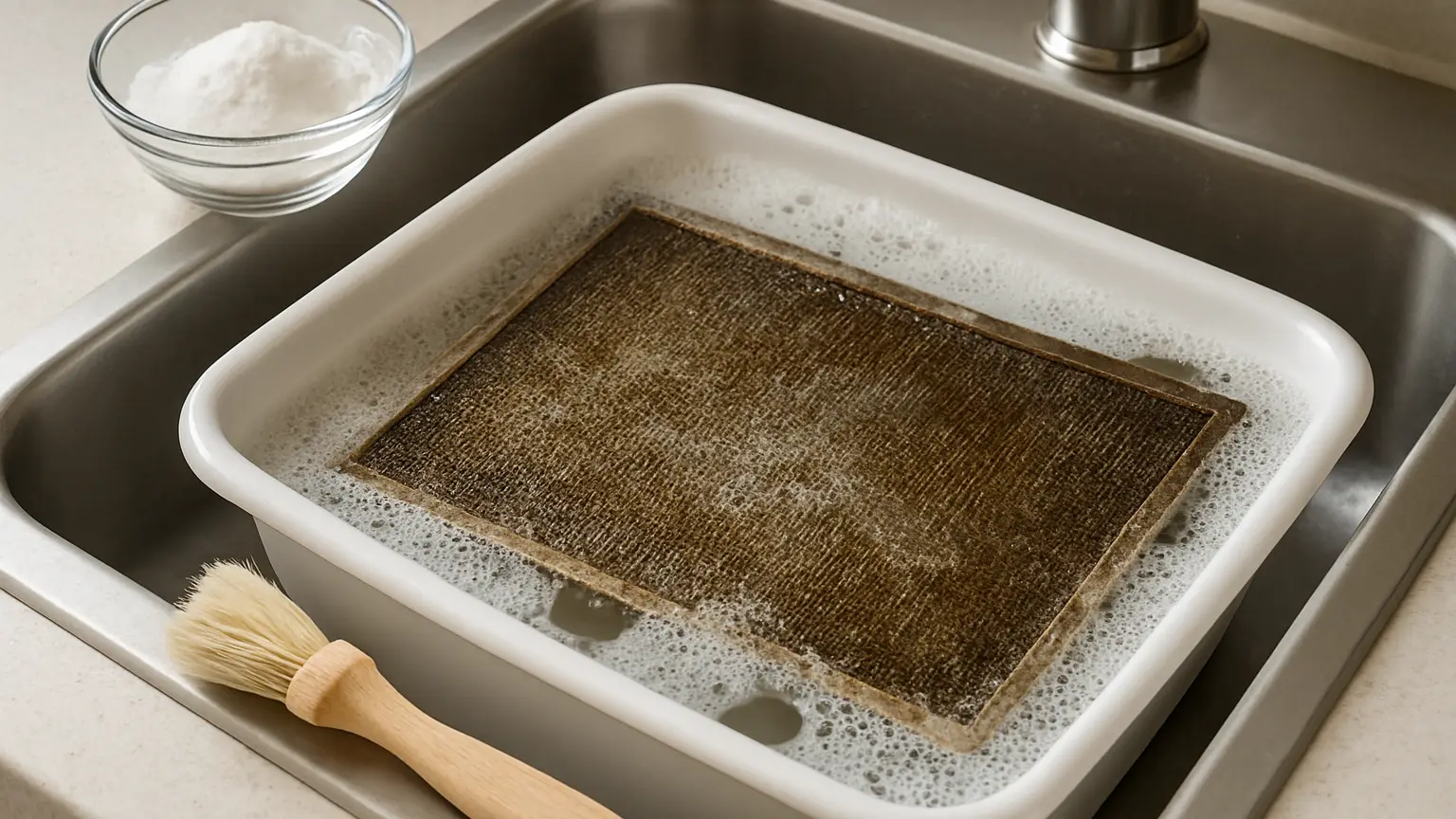
The hood traps cooking grease all year, but most people wipe the outside and never touch the filter. Slide or unclip the metal filter and soak it for 15 minutes in very hot water with a squirt of dish soap and a spoon of baking soda. Scrub with a soft brush, rinse, and let it dry. Then wipe the inside of the hood, where a sticky film hides.
How often: Every one to two months if you cook a lot.
2. The Bathroom Exhaust Fan
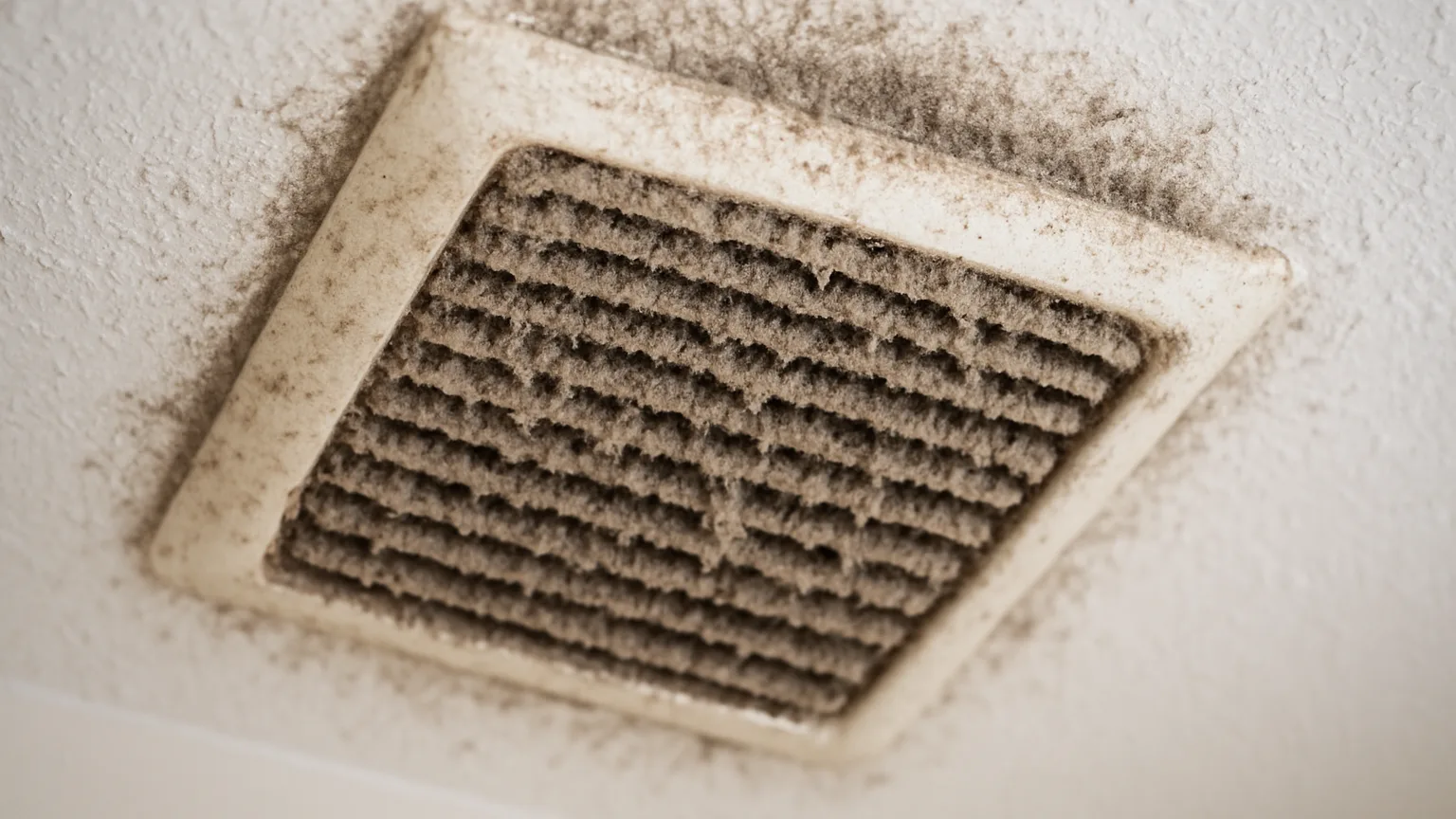
A fuzzy, gray vent cover means the fan is working harder and pulling out less steam. Switch the fan off, gently pull the cover down, and wash it in warm soapy water. Vacuum the reachable blades with a brush attachment. A clean fan cuts mildew on the ceiling and around the tub.
3. Ceiling Fans and Light Fixtures
Fan blades collect thick dust on top, out of sight. Slide an old pillowcase over each blade and pull back so the dust stays inside instead of raining on your bed. Take down glass light covers too. Dead bugs collect in them, and inspectors notice.
Zone Two: Eye Level and Hand Level
This zone covers the places hands touch and dust settles.
4. Window Tracks and Sliding Door Tracks
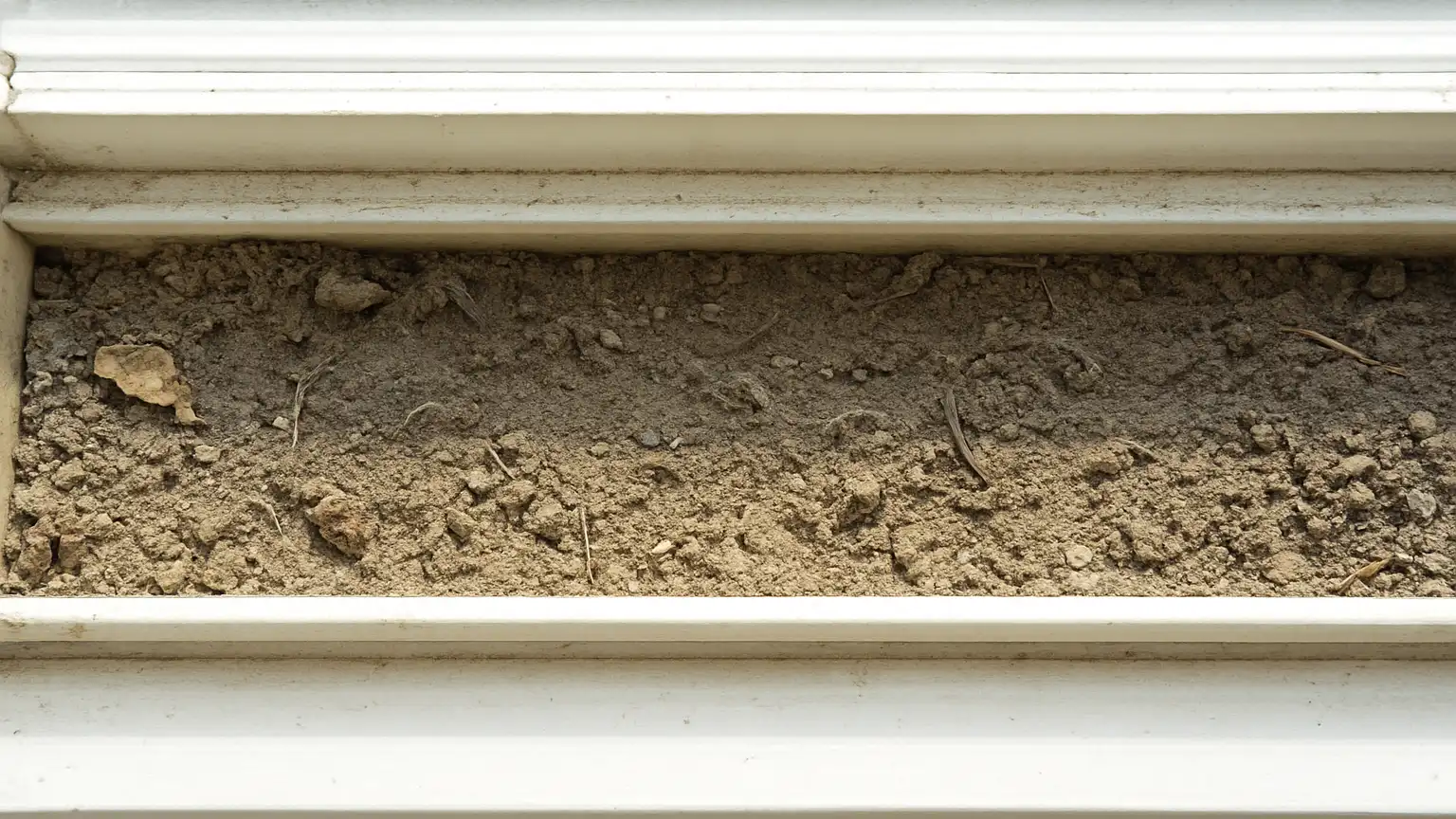
Window tracks are the classic missed spot, packed with dirt, dead bugs, and grit. Vacuum loose debris with a crevice tool, spray the track with warm soapy water, and let it sit a few minutes. Scrub the corners with an old toothbrush, then wipe dry with a rag wrapped around a butter knife. Clean tracks also let windows and patio doors slide smoothly, saving wear on the rollers.
5. Blinds and Window Coverings
Blinds hold a surprising amount of dust and kitchen grease. Close them flat, wipe with a damp microfiber cloth, then flip and repeat. Skip soaking unless you know the material can handle it. Blinds are a common sticking point at move-out, which is why our post on rental blinds and deposit fights covers which types clean up well and which ones end up replaced.
6. Switch Plates, Door Frames, and Cabinet Tops
These spots never look dirty from across the room. Up close, they tell a different story.
- Light switches and outlet covers: Wipe with a barely damp cloth. Never spray liquid directly on them.
- Door frames and door tops: Run a damp cloth along the top edge, which is often coated in dust.
- Cabinet tops: If cabinets stop short of the ceiling, the tops gather grease and dust. Lay down wax paper after cleaning to make next time easy.
- Cabinet insides: Empty, wipe, and check corners and drawer tracks for crumbs.
Zone Three: Down at Floor Level
Most deposit deductions happen here. Inspectors crouch, and you should too.
7. Baseboards
Baseboards catch scuffs, pet hair, and dust falling from above. Vacuum with a brush tool, then wipe with warm water and a little dish soap. A melamine sponge lifts most scuffs. Go gently on painted boards so you do not rub off the paint.
8. Behind and Under Appliances
If you can do it safely, pull the fridge and stove out a few feet. Vacuum the dust and crumbs, wipe the appliance sides, and dust the fridge coils at the bottom or back so the fridge runs cooler and uses less power. Check behind the dryer too, where lint builds up.
9. Grout Lines and Tub Caulk
Dark grout and stained caulk make a whole bathroom look dirty. Scrub grout lines with a stiff brush and a paste of baking soda and water. For light mildew on caulk, use equal parts white vinegar and water. If caulk is peeling or black deep inside, report it. That is often a repair, not a cleaning job.
Keeping Carpet Clean Without Breaking the Rules
Carpet is the biggest soft surface in most rentals, and the link between carpet and air quality is real: it holds dust, allergens, pet dander, and odors. In the desert, fine dust works deep into the fibers and grinds them down with every step.
“Phoenix dust acts like sandpaper inside carpet fibers, so regular vacuuming matters even more here than in wetter places,” says Daniel Reyes, senior carpet technician at Dr Chemdry, a family-owned company that serves homes across Phoenix. “The other big mistake is scrubbing a spill too hard. You push it deeper and fray the carpet. Blot it, work from the outside in, and call for help if it does not lift.”
Lease-Friendly Habits for Everyday Carpet Care
- Vacuum high-traffic areas twice a week. Hallways and the path to the couch wear out first.
- Blot spills right away. Use a clean white cloth and cold water. Colored towels can transfer dye.
- Test any cleaner first. Try it in a closet corner. Some products bleach or leave sticky residue that attracts more dirt.
- Use doormats at every entry. Most carpet dirt walks in on shoes.
- Skip harsh chemicals and heavy soaking. Too much water can soak the pad and cause odors or mold.
- Report stains you cannot fix. A landlord would rather hear early than find a problem on move-out day.
When Professional Carpet Cleaning Is Required at Move-Out
Many leases require professional carpet cleaning at move-out, and some ask for a receipt from a licensed company. A rented grocery-store machine may not meet that standard and can leave carpet damp or soapy if used wrong. Professional cleaning usually makes sense, or is required, when:
- Your lease asks for it, with or without a receipt.
- You had pets in the home, even well-behaved ones.
- There are stains, odors, or traffic paths you could not remove yourself.
- You lived there a year or more, when embedded dirt really builds up.
When choosing a company, compare drying time, cleaning method, and pet odor treatment. If your lease does not name a vendor, a roundup of trusted Phoenix carpet cleaners can help you compare options side by side before you book. Keep your receipt and photograph the carpet once it is dry. Those two things answer most questions before they turn into disputes.
A Simple Rhythm for Landlords Between Turnovers
Owners can help by sharing a short cleaning list at move-in and scheduling a mid-lease walkthrough to catch fan buildup, leaky caulk, or carpet wear early. Fixing a small problem at month six is cheaper than a full redo at month twelve, and clear standards help residents feel treated fairly, which means longer stays and fewer arguments.
Walk Out With Clean Hands and a Full Refund
A rental that looks clean and one that passes inspection are not always the same. The difference lives in the range hood filter, the bathroom fan, the fan blades, the window tracks, the blinds, the door tops, the baseboards, the floor behind the fridge, and the grout. Clean from the ceiling down, give these nine spots attention a few times a year, and move-out becomes a quick wipe instead of a weekend of scrubbing.
For carpet, vacuum often, blot spills gently, avoid harsh products, and follow your lease when it calls for professional cleaning. Keep receipts, take photos, and speak up about problems early. Whether you rent or own, those small habits protect the property, the people living in it, and the money tied to both.