
Not My Problem? The Rental Liability Gray Zones Owners Overlook: part 1 of 3.
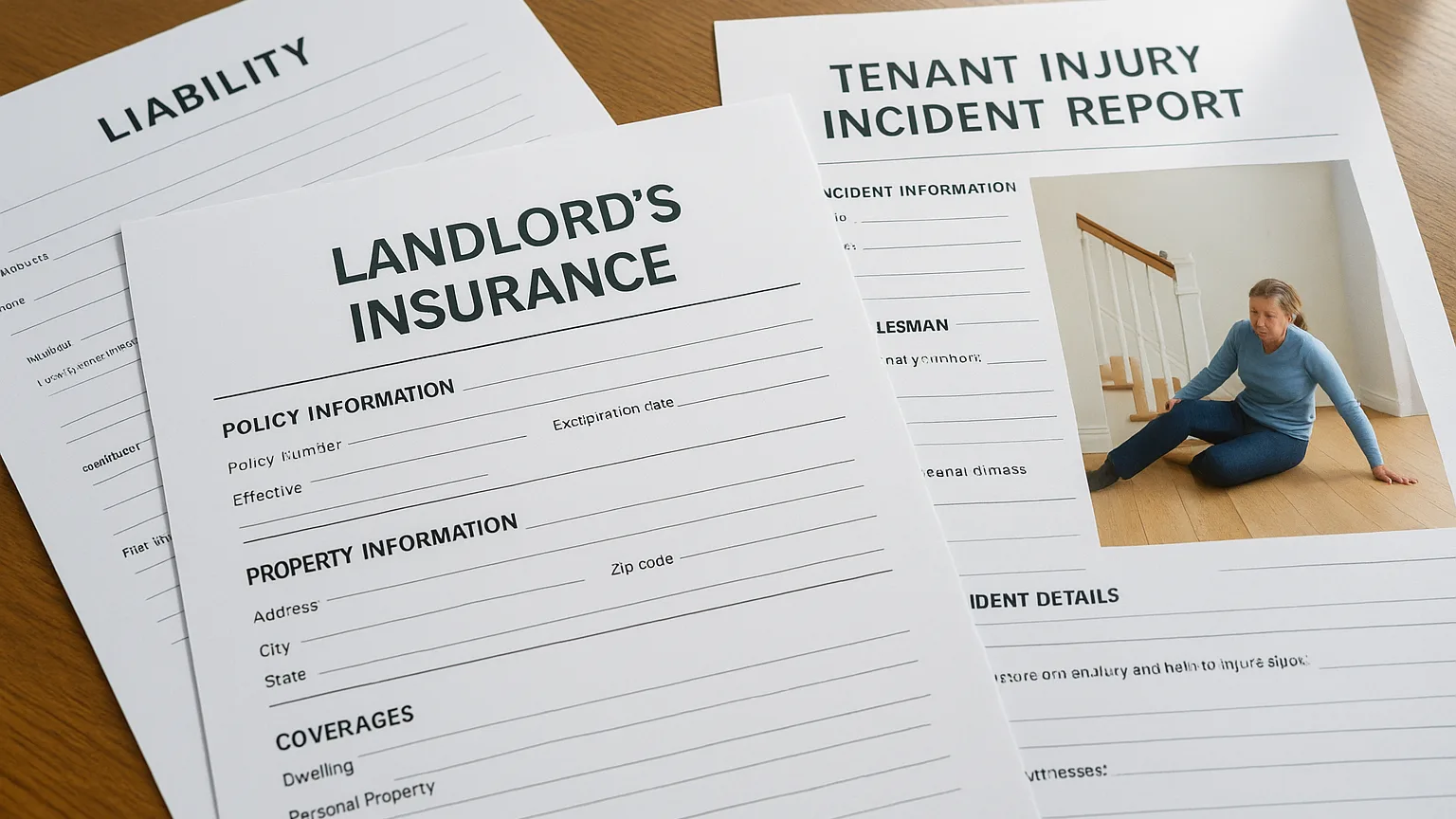
It starts with a short text. "The rail on the back steps feels loose." The owner plans to call someone this weekend. Then the weekend passes, and so does the next one. Two weeks later, a guest grabs that rail and falls. Now nobody is asking whether the rail broke. They are asking who knew, who was in charge of those steps, and what the lease said.
This series was shaped with insights from Mooshekh Law Firm, whose work on injury claims shows how often owners guess wrong about where their duty ends. It runs in three steps: the line between owner and tenant, the changes tenants make on their own, and the outsiders who get hurt.
Why One Ignored Request Becomes Many
A single unanswered request rarely stays single. Tenants who feel ignored stop reporting. Small leaks turn into soft floors. A flickering hallway light becomes a dark stairwell. Meanwhile, the first message still sits in your inbox with a date on it. That date can create:
- Proof that you knew. A text, email or portal ticket shows notice.
- A growing hazard. Small problems get worse and cost more to fix.
- A silent tenant. People stop reporting, so new risks go unseen.
- A weaker defense. "I didn't know" is hard to say when the record says you did.

Think of your rental as a map with three zones, each with its own rules. The deciding factor is usually control: who decides what happens in that space every day.
Common Areas: The Owner's Ground
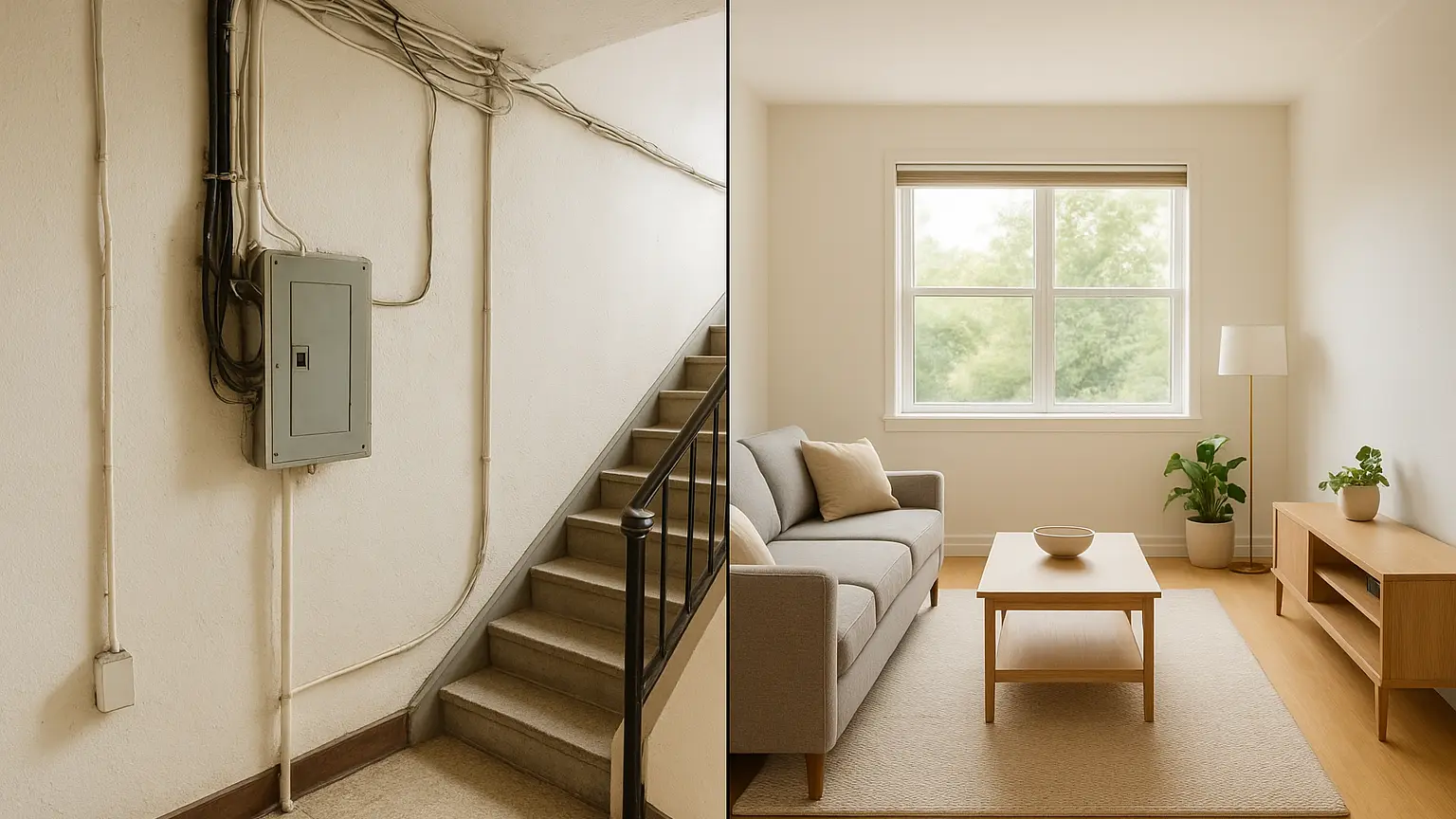
Hallways, shared stairs, laundry rooms, parking lots and shared yards belong to the owner in practice. Tenants walk through them but can't fix them, so the duty to keep them safe sits with you.
Notice can be direct, like a tenant's report, or implied. If a broken step sat there for months, a court may decide you should have known. Regular walk-throughs help close that gap.
Nadia Karimi, a case manager at Mooshekh Law Firm, points out that in shared spaces the length of time a hazard existed often carries more weight than any single complaint, which is a big part of how fault gets proven when someone is hurt.
Visitors count too. A guest, driver or contractor hurt in a hallway can pull the owner into a claim, a risk tied closely to dog bites spike outdoors">closing visitor liability gaps.
Inside the Unit: Shared Ground
Once the door closes, the tenant controls daily life. Spilled water, toys on the floor and a cluttered closet are their problem. But wiring, plumbing, heating, cooling and built-in fixtures stay on your side. Arizona law expects landlords to keep a rental fit to live in and make needed repairs. If a tenant reports a sparking outlet and you wait, the risk shifts back to you.
Yards and Exteriors: The Lease Decides
Single-family homes blur the lines the most. Many leases hand basic yard care, like mowing, weeding and watering, to the tenant. Big items such as trees, irrigation lines, fences, pool barriers and cracked walkways often stay with the owner. Hiring one of the trusted landscaping companies in Arizona for those heavier jobs keeps them off the tenant's plate and on a schedule you control.
A quick way to read the map:
- Owner controls it? Owner usually carries the duty.
- Tenant controls it? Tenant usually carries the duty.
- Owner was told and waited? The duty swings back to the owner.
- Lease is silent? Expect a fight over who meant what.
Notice is the hinge on every door in this map. The moment you learn about a problem, a clock starts, and what you do next decides whether the record helps or hurts you.
What a Clean Repair Record Looks Like
- One intake channel, such as a portal, so nothing hides in a personal phone.
- A time stamp on every request.
- Triage within 24 hours, with safety issues handled first.
- A written update to the tenant, even if the fix takes longer.
- Before and after photos.
- A closeout note the tenant can confirm.
"Adjusters read the repair log before they read anything else," says Marcus Delgado, senior claims analyst at a Phoenix review group that tracks the injury firms adjusters respect. "A fast, documented response tells them the owner took the risk seriously. A two-week silence tells them the opposite."
Building this system yourself takes time. Many owners compare that effort against how much property management costs and find the trade worth it, since a managed portal logs every request by default.
Lease Language That Actually Helps
A good lease does not erase your duties, but it clears up the gray areas. Strong leases require tenants to report problems in writing, list which upkeep tasks are theirs, include an access clause for inspections and repairs with notice, and require renters insurance for the tenant's own belongings and liability.
What a lease can't do is let you ignore known safety issues or legal repair duties. Courts tend to toss clauses that try. The lease gets tested hardest when tenants start changing the property on their own, which is where lock down tenant diy rules">tenant DIY approval rules become your next line of defense.
Your Liability Map Starts With a Reply
Most rental injuries come not from surprise disasters but from known problems that waited too long. Control sets the starting point: common areas lean toward the owner, unit interiors are shared, and yards depend on the lease. Notice then moves the line, because once you know, the duty is yours.
Answer every request, log every step and write a lease that names who handles what. Do that, and the old repair text stops being evidence against you. It becomes proof that you showed up, the strongest position any owner can hold.