
Not My Problem? The Rental Liability Gray Zones Owners Overlook: part 2 of 3.
In Part 1 we mapped ignored repair requests pile up">owner versus tenant liability by looking at who controls a space, who knew about a hazard and what the lease says. Control is clear when the owner builds something. It gets messy when the tenant builds it.
This series was developed with insights from Mooshekh Law Firm, whose injury cases show how often a tenant's project ends up in a claim that names the property owner too. An injured person rarely sues just one party. They sue everyone who might have had a say.
A tenant hangs a heavy shelf or sets up a trampoline on a Saturday. By Monday, the owner is part of the story. The owner did not buy, install or use it, but may have known about it, allowed it or failed to inspect it. Here is what usually pulls an owner in:
- Knowledge. You or your manager saw the item and said nothing.
- Permission. You approved it without any conditions.
- Damage to the building. The project weakened a wall, an outlet or a fence you still own.
- Silence in the lease. Nothing says who is responsible for tenant-added items.
The fix is not to ban every project. Tenants who make a home their own tend to stay longer. The fix is to put clear rules in place before the busy season starts.
The Backyard Trampoline
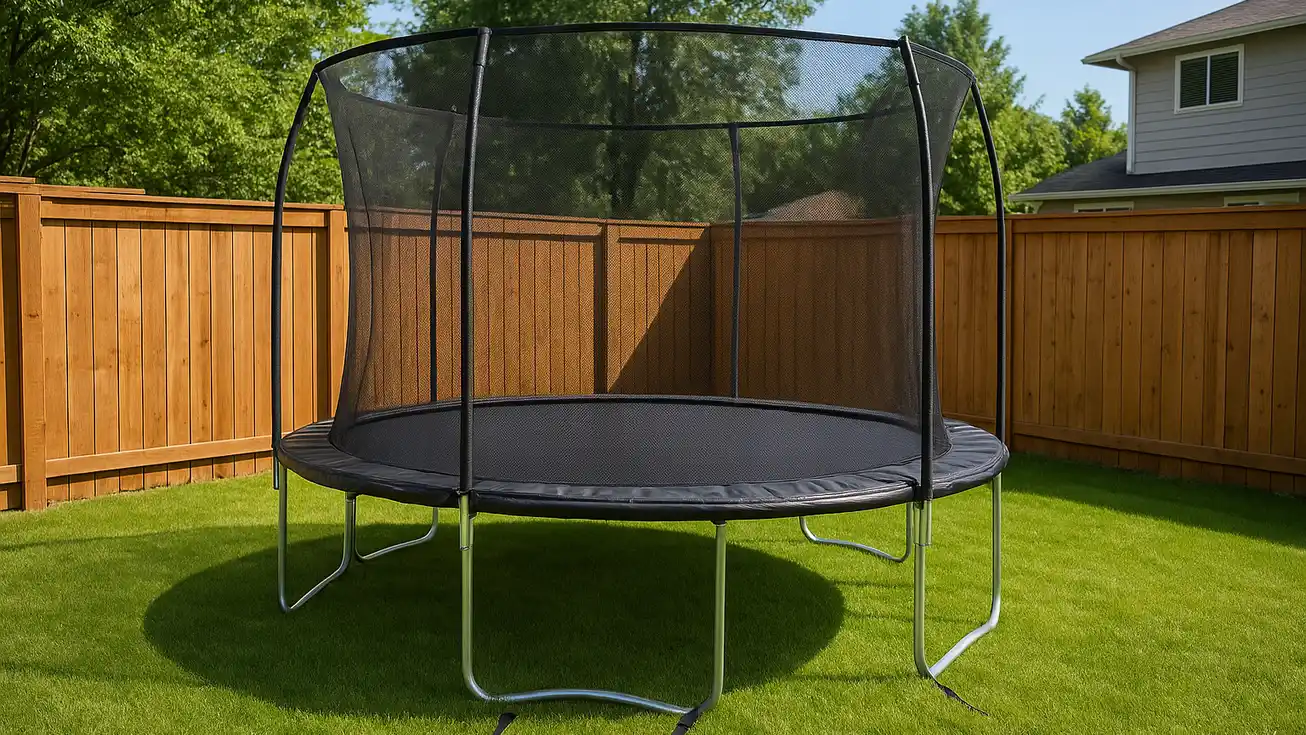
A trampoline looks like a toy. In a liability claim, it reads like an attraction. Neighborhood kids see it over the fence, climb in and bounce with no adult watching. One bad landing can mean a broken arm or worse.
Medical bills for injuries like these climb fast, which is why broken bone injury claims often look at the property owner as well as the tenant. If the owner knew the trampoline was there and the yard gate had a broken latch, the owner's own duty comes into play.
Placement matters too. A trampoline staked over drip lines or set near a block wall creates its own hazards. If your yard crew is one of the landscaping companies in Arizona that walks the property each month, ask them to flag new equipment. That gives you a record and a chance to act.
Wall-Mounted Shelves and TVs
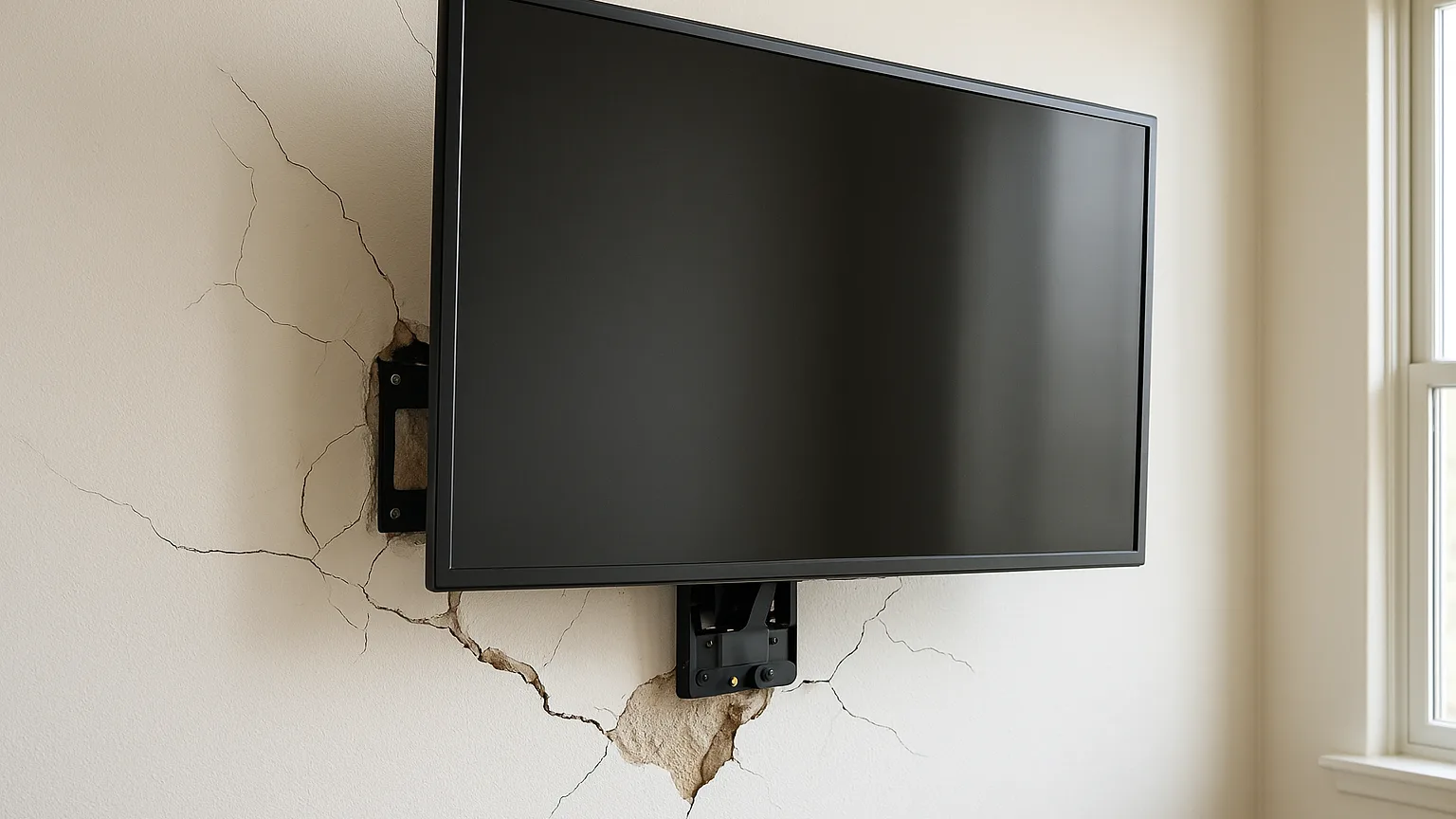
A 75-inch TV on a cheap mount is a falling hazard. So is a floating shelf screwed into drywall with no stud. When it falls, it can hurt a child and tear out a chunk of wall. You own that wall. If the tenant drilled into a wire or pipe, the repair and any damage below may land on you first. You can chase the tenant later, but you pay to fix it now.
Space Heaters and Extension Cords
Desert nights in winter get cold, and space heaters come out. Plugged into an old outlet with a thin extension cord, they can overheat. A fire does not stay in one unit. It spreads to neighbors, who will look to the owner with one question: was the wiring safe enough for normal use?
Write an Approval Clause With Teeth
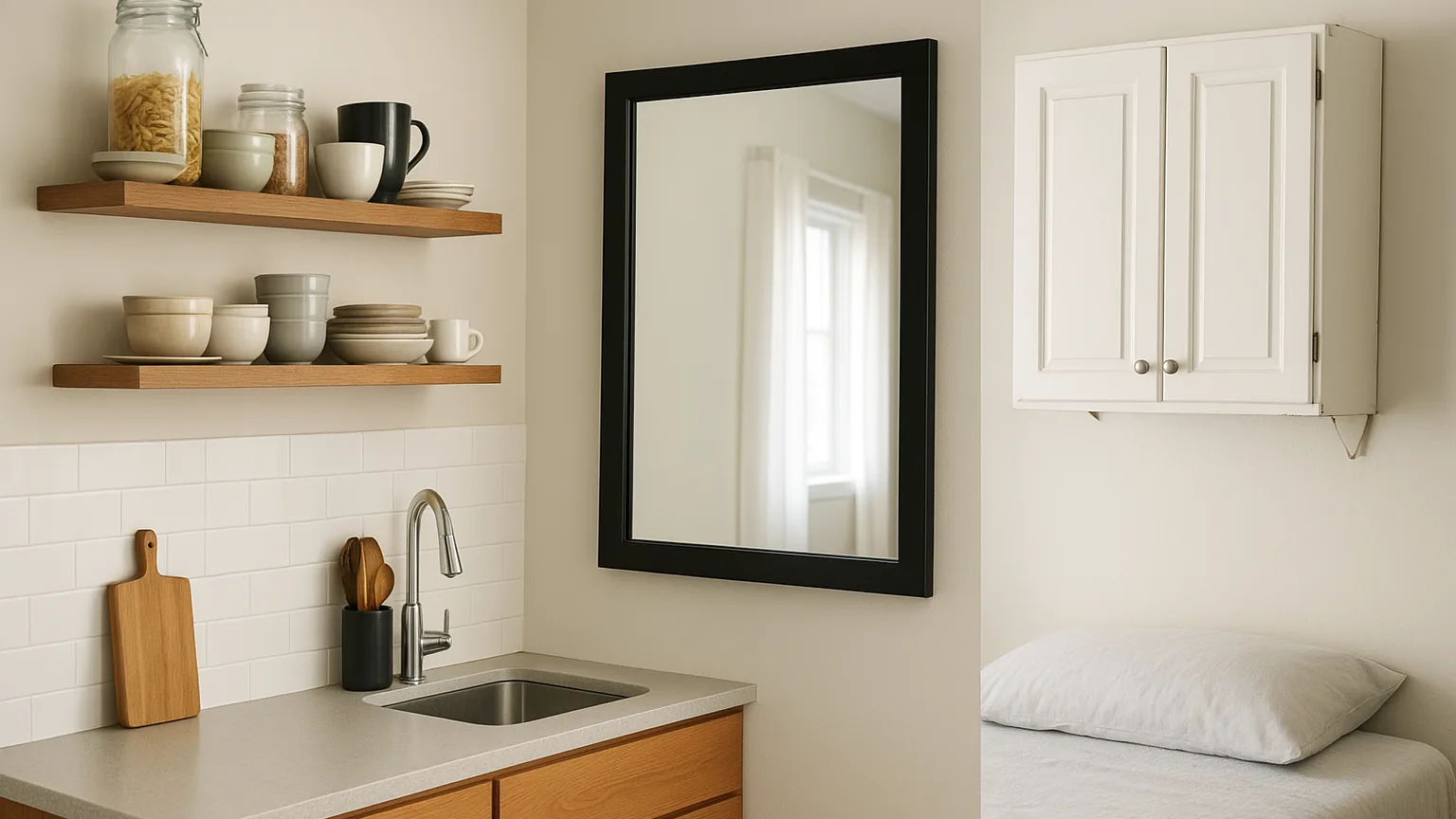
A vague "no alterations" line does not do much. Tenants ignore it, and owners rarely enforce it. A better clause names the items, sets a process and puts the risk on the person who wants the item.
- List the items that need written approval: trampolines, pools, play sets, wall mounts over a set weight, window AC units and portable heaters.
- Require a written request with a photo or product link before anything goes in.
- Set conditions, like a safety net, a locked gate or a pro install for heavy mounts.
- State that the tenant owns, maintains and removes approved items at move-out.
- Add a hold-harmless line so the tenant covers claims tied to their own equipment.
Mooshekh Law Firm's injury work points to a key detail. Approval with no conditions can look like you endorsed the risk. Approval with clear safety terms shows you took care.
Inspect on a Schedule, Not a Hunch
Plan a walk-through each spring before outdoor season and each fall before heaters come out. Check the yard, gates, outlets and walls, and take dated photos. If you find an item you never approved, send a written notice with a short deadline to fix or remove it. Many owners skip this to save money, but weigh property management costs against the price of one injury claim and regular inspections start to look cheap.
Make Insurance Do the Heavy Lifting
Require renters insurance with personal liability coverage of at least $100,000, and ask to be listed as an interested party so you hear if it lapses. For a trampoline or pool, ask the tenant to confirm their policy does not exclude it. Then check your own landlord policy. Some carriers cancel coverage if they find a trampoline on site.
Insurance also matters for the people these items hurt. A neighbor's child, a delivery driver or a guest is not on the lease. In the final part, we look at how dog bites spike outdoors">visitors and tenant dogs can pull owners into claims and what closes those last gaps.
The Lease Is the Spotter Every Bounce Needs
Tenant projects feel like the tenant's business until someone gets hurt. Then the questions turn to the owner. Did you know about it? Did you allow it? Did you check it? Trampolines, heavy wall mounts and space heaters are common and fixable, but only if the rules come before the risk.
A strong approval clause, a steady inspection schedule and clear insurance requirements keep the risk where it belongs. Tenants still get to make the place feel like home, and you get a paper trail that shows care. Set it up now, and the next weekend project stays a weekend project.