
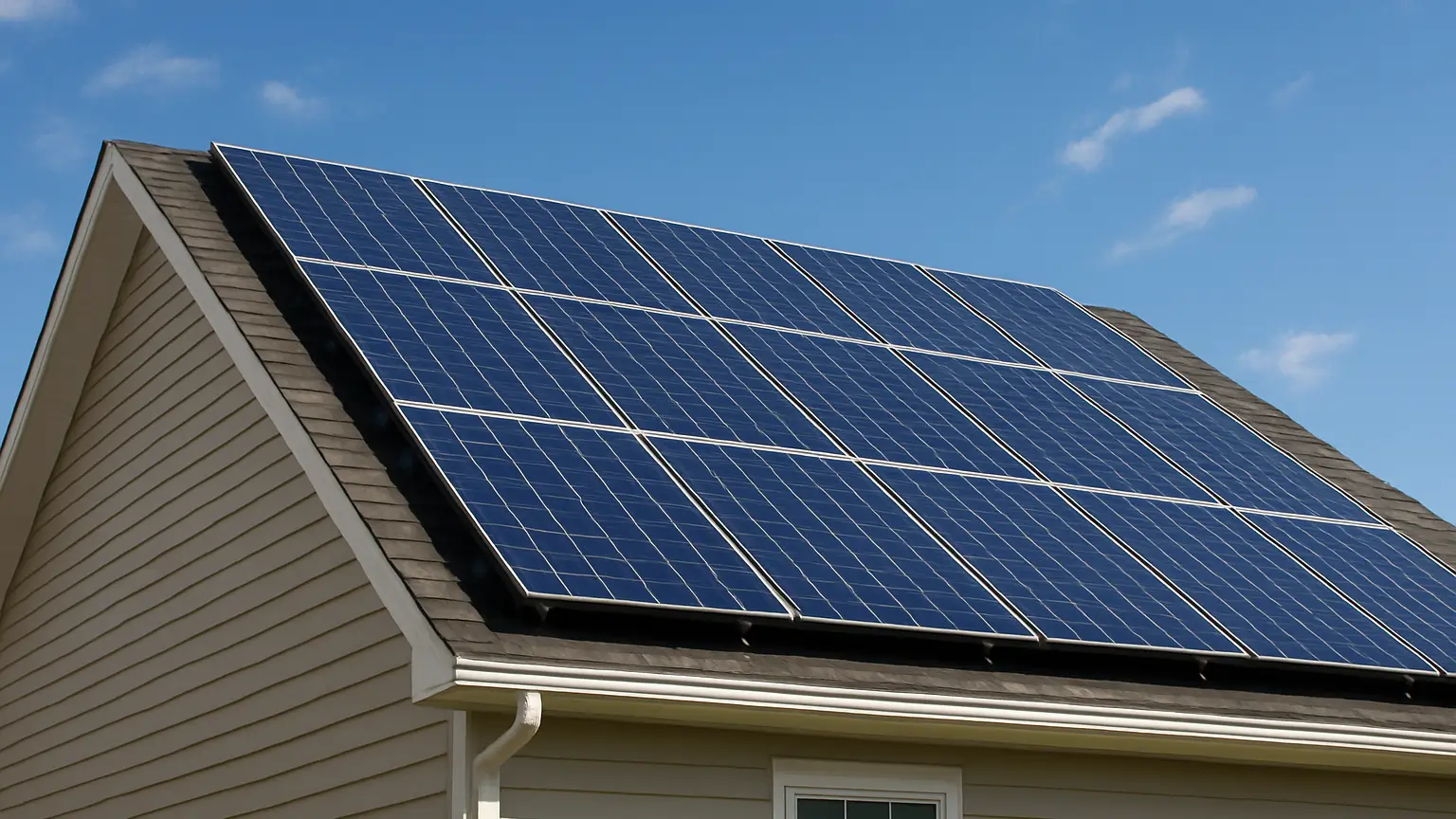
Picture this. You spend $22,000 putting solar panels on a three-bedroom rental. Your new tenant moves in, sees a $14 power bill in March, and loves the place. Then July hits. The AC runs all day, and the bill jumps to $180. The tenant calls you, upset. They thought solar meant free power. Nobody ever wrote down what the panels were supposed to do.
That is the real risk with solar on a rental home. The panels rarely fail. The paperwork does.
Three Parties Sharing One Roof
When you live in your own home, solar is simple. You pay for it, and you keep the savings. A rental is different. Now you have three or four parties with a stake in that roof, and each one wants something else.
- The owner wants higher rent, a stronger resale price, and a roof that stays dry.
- The tenant wants low monthly bills and no surprise visits.
- The utility wants the meter, the net metering plan, and the account set up its way.
- The solar lender or lease company, if there is one, wants payments and access to its equipment.
When the lease says nothing about solar, each party fills the gap with its own guess. That is how a sunny upgrade drifts into the kind of liability gray zones that owners never plan or budget for.
Does Solar Make Sense on a Rental Property?
Yes, in many cases, but only if you know who pays the electric bill. That one detail decides where the money goes.
If the tenant pays the power bill, the tenant gets the monthly savings. You get your return through higher rent, faster lease-ups, and a better sale price later. If you pay the power bill, as many owners do with furnished rentals or small multifamily buildings, you keep the savings directly.
Solar on a rental tends to pay off best when:
- You plan to hold the property for seven years or more.
- The roof has at least 10 to 15 years of life left.
- You live in a high-sun market like Phoenix, Tempe, or Mesa.
- Summer power bills in your area are high enough for tenants to notice the difference.
- You own the system outright instead of leasing it.
Three Ways to Handle Who Gets the Savings
There is no single right setup. Each one works if the lease spells it out in plain words.
Option One: The Tenant Keeps the Savings and Rent Goes Up
This is the cleanest setup. The tenant holds the utility account and enjoys lower bills. You raise the rent a modest amount to reflect that value, often $50 to $100 a month in hot markets. Tenants accept this more easily when you show them a year of past bills from the home.
Option Two: The Owner Charges a Flat Solar Fee
Some owners keep rent the same and add a flat monthly solar fee. It sounds tidy, but be careful. Some states and cities limit how a landlord can charge for power. Check your local rules before you write a fee into any lease.
Option Three: The Owner Keeps the Utility in Their Name
Here you pay the power bill and fold it into the rent. You keep every dollar of savings. The catch is that tenants have no reason to save energy. A tenant who runs the AC at 68 degrees all summer can wipe out your gains fast. Many owners who pick this option add a usage cap to the lease.
“Most rental owners size the system for the house, not for the person living in it,” says Marcus Delgado, senior solar design consultant at Capital Energy. “A family of five with a pool can use twice the power of a retired couple. If your lease hints at a low bill, you just made a promise the panels can't keep.”
Tenant Appeal and Resale: What You Can Count On
Solar is a strong listing feature. Renters in hot climates see "solar home" and think about lower summer bills right away. Listings with solar often get more showings, and homes with real energy savings, whether from rooftop panels or solar water heaters, tend to keep good tenants longer. A tenant who saves $100 a month has one more reason to renew.
Resale is a little more complex. An owned system usually adds value, because the buyer gets the savings with no strings attached. A leased system or a power purchase agreement can slow a sale. The buyer has to qualify to take over the contract, and some buyers simply walk away. If resale matters to you, owning the panels is usually the safer path.
The Roof Question Nobody Asks Early
Panels can last 25 years or longer. Many roofs do not. If your roof needs replacing in year eight, the panels must come off and go back on. That can cost a few thousand dollars on top of the roof itself. Get a roof inspection before you sign any solar contract.
Panels also create a shady gap where leaves, dirt, and birds collect. Over time, that build-up can turn a fouled roof into a leak and a much bigger bill. Add critter guards around the edges when the system goes in. It is far cheaper than a repair later.
The Clause Most Owners Forget to Write
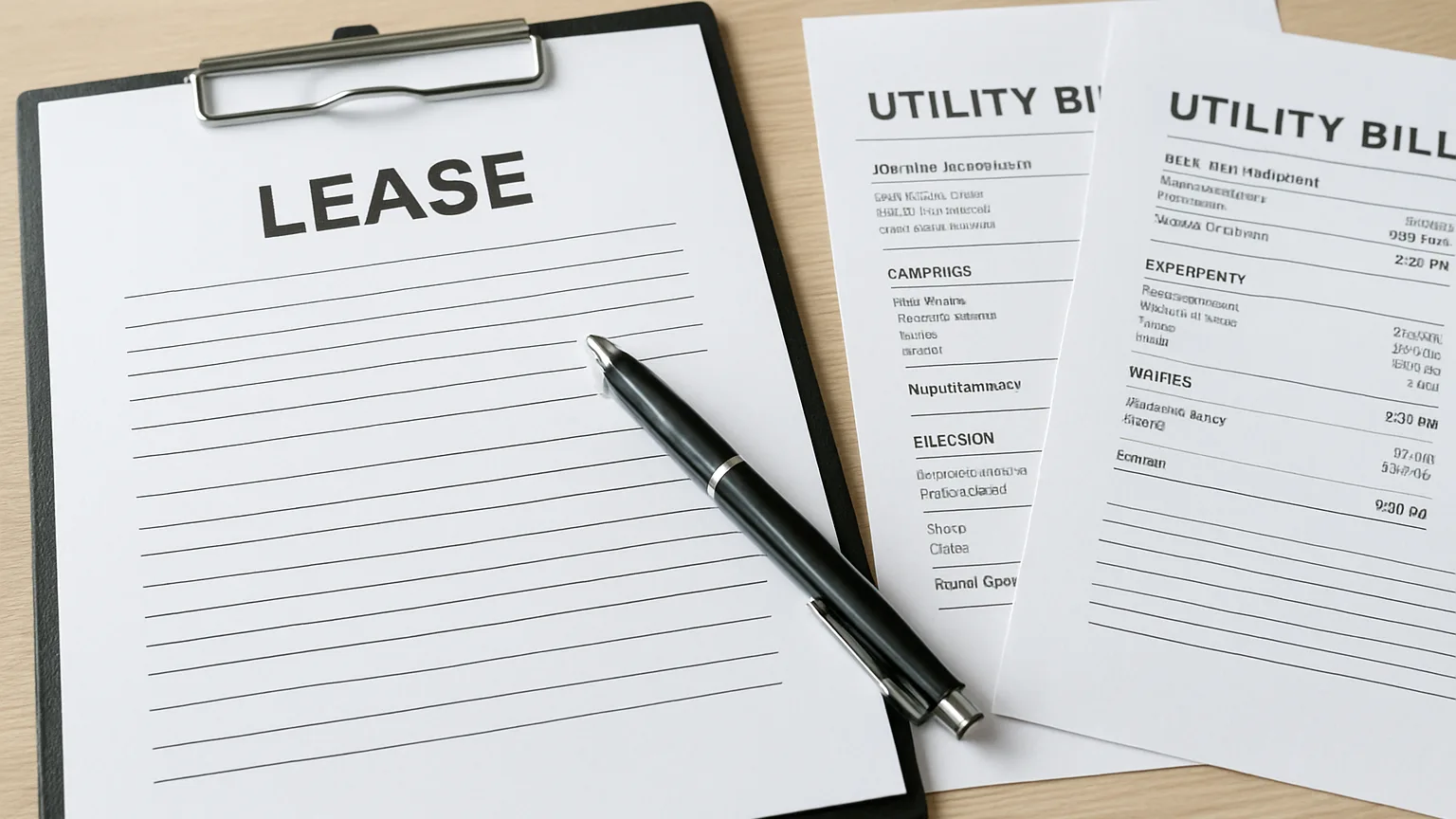
Most standard leases cover rent, pets, and parking. Very few say a word about solar. That silence is the clause owners miss. A short solar addendum fixes it. It does not need to be long. It needs to be clear.
Here are the lines every solar addendum should include:
- No savings promise. State that power bills depend on how much energy the tenant uses, and that the owner does not guarantee any bill amount.
- Ownership and care. The owner owns and maintains the system. The tenant must not touch, move, or climb on the panels, and must report damage or warning lights within 48 hours, since ignored repair requests pile up fast on a roof nobody is watching.
- Roof and equipment access. Spell out how much notice the owner, installer, or inspector will give before visiting. Match your state's notice rules.
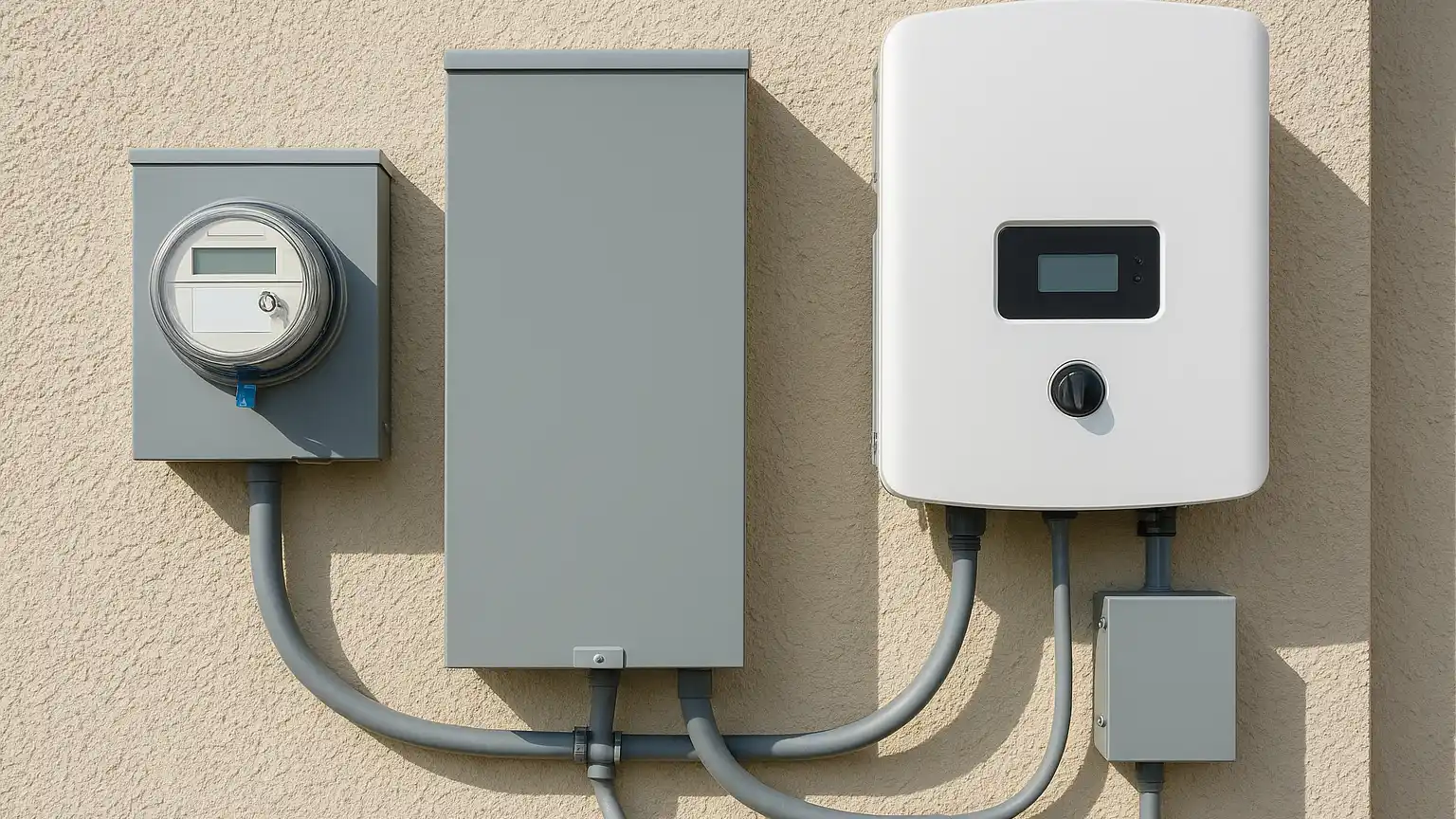
- Monitoring and Wi-Fi. Many systems report data over the home's internet. Say who provides the connection and that the tenant should not unplug the inverter or monitoring box.
- Cleaning and shade. Tenants should not pressure wash panels or plant trees that will shade them. Say who handles panel cleaning and how often.
- Battery and outage rules. If there is a battery, explain what it powers during an outage and what it does not.
Why These Lines Matter So Much
Each line answers a question before it turns into a fight. The tenant knows what to expect. You know what you owe. If a dispute ever reaches a judge, you have it in writing. Have a local attorney or your property manager review the final wording, since rules vary by state.
Picking an Installer Who Understands Rentals
Not every solar company thinks about tenants. Some only think about the sale. Ask each installer how they handle access at an occupied home, who they call when an alert pops up, and whether the warranty moves to a new owner if you sell.
Comparing quotes takes time, since most look alike until you read the warranty terms. Starting with a list of vetted Phoenix installers can save hours and help you spot the companies that stand behind their work.
Also ask for a production estimate in writing. Then share a plain version of it with your tenant. When a tenant can see what the panels make each month, those July phone calls get much shorter.
Let the Panels Shine and the Lease Do the Talking
Solar on a rental home can raise rent, keep good tenants longer, and add real value when you sell. It works best when you own the system, start with a healthy roof, and pick a billing setup that fits who pays the power bill. Tenant appeal is real, but so are the risks of oversized promises, roof work, and blocked access.
The fix is not more panels or a bigger battery. It is a short, clear solar addendum that sets expectations on savings, care, access, and cleaning. Write it before move-in day, walk your tenant through it, and the sunshine on your roof stays an asset instead of an argument.