
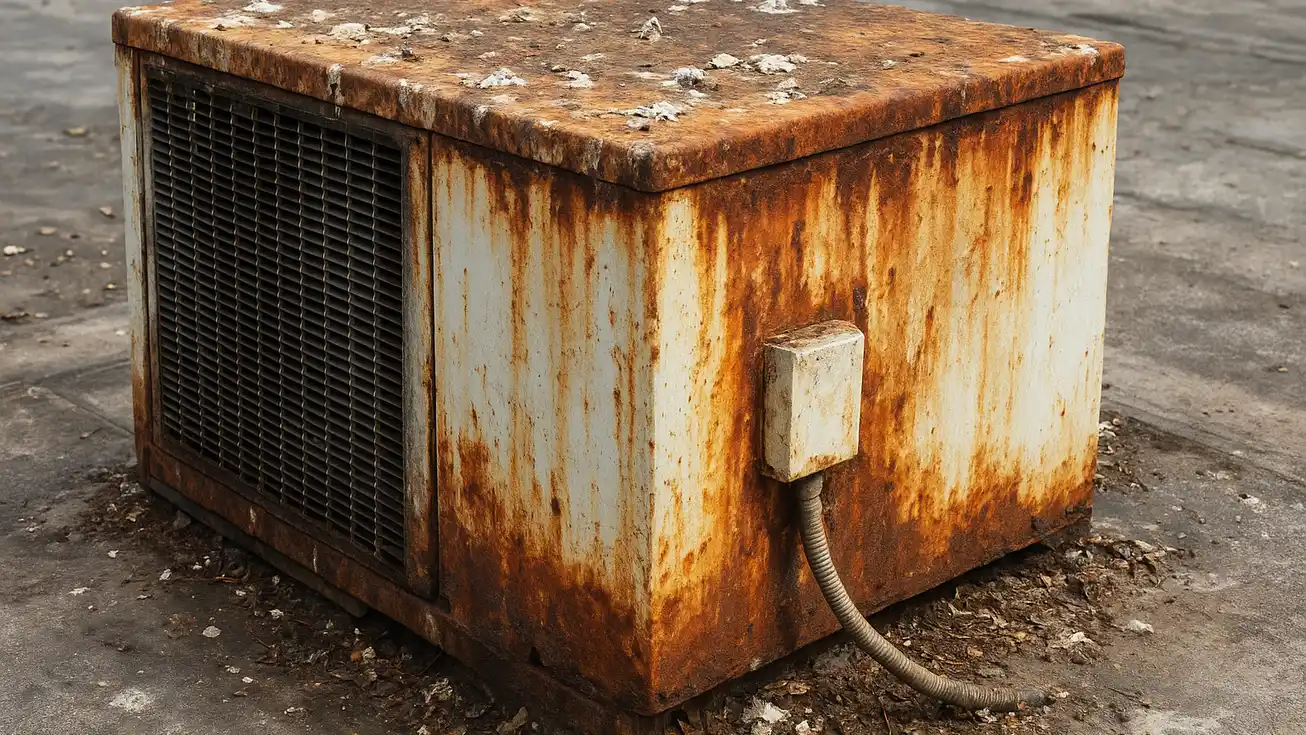
No owner statement has a line called "pigeons." Yet birds on a roof add a quiet cost to almost every part of running a building. We call it the pigeon tax. This three-part series is for property managers who answer to owners on expenses and need a clear way to explain where that money goes.
A series in 3 parts
Inside this series
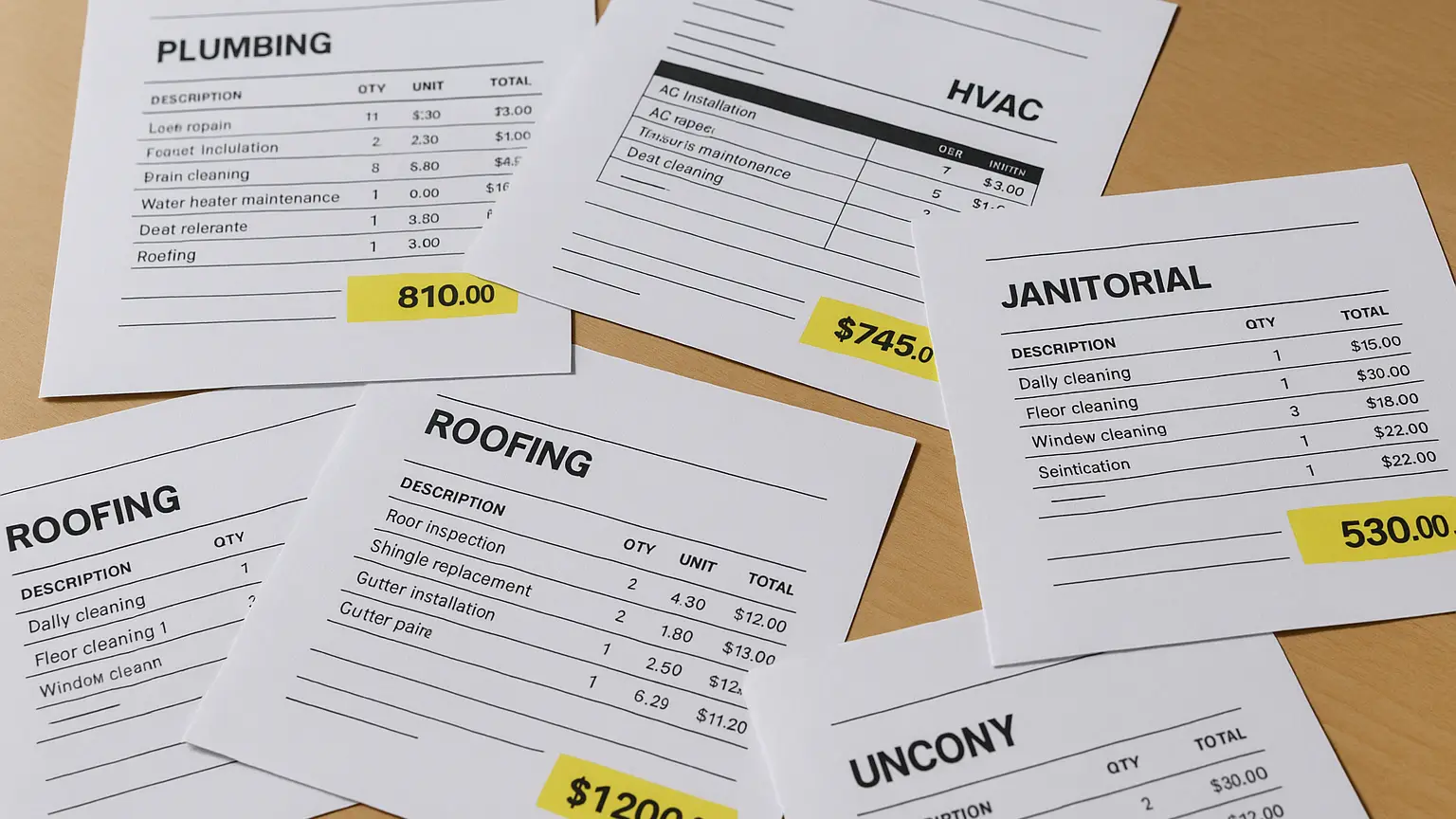
- How to spot bird-related costs that vendors file under plumbing, HVAC, roofing, or janitorial
- Why wet and dry cycles let uric acid in droppings corrode metal and roofing a little more each time
- How clogged drains, ponding water, and freeze-thaw cycles turn a small mess into a big repair
- Why contractors charge more for time, safety gear, and cleanup on a contaminated roof
- How to show owners one clear number for what birds really cost the building
The series follows the cost the way it grows. First it shows up as small bills spread across the budget. Then it turns into real damage to rooftop units, roofing, and drains. Last, it makes every contractor who climbs onto that roof slower and more expensive.
Much of the field knowledge behind the series comes from Pigeons R Us, a bird control team that works on commercial and residential roofs. Their take shaped one big idea: most buildings don't have a bird problem on paper. They have a coding problem.
Contributing expert
Pigeons R Us is a bird control team whose rooftop and building work shaped the series' view of how roosting birds drive up costs across a property.
Three Layers of the Pigeon Tax
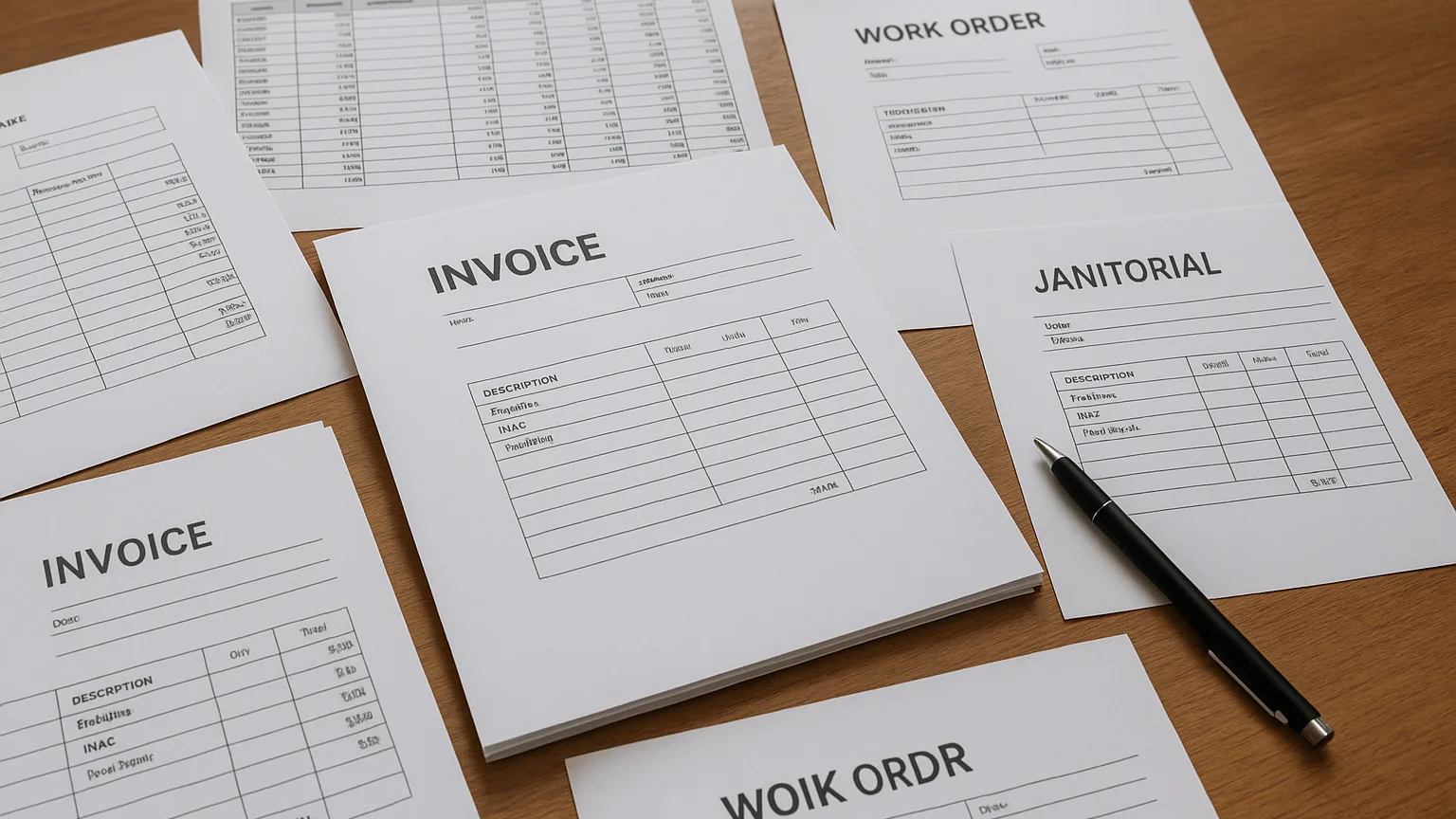
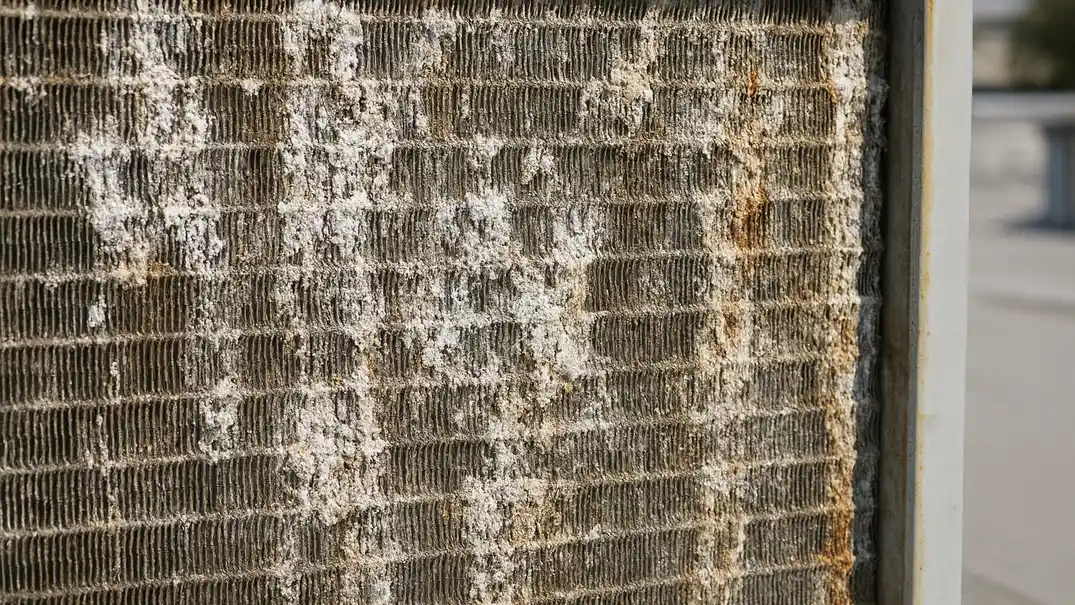
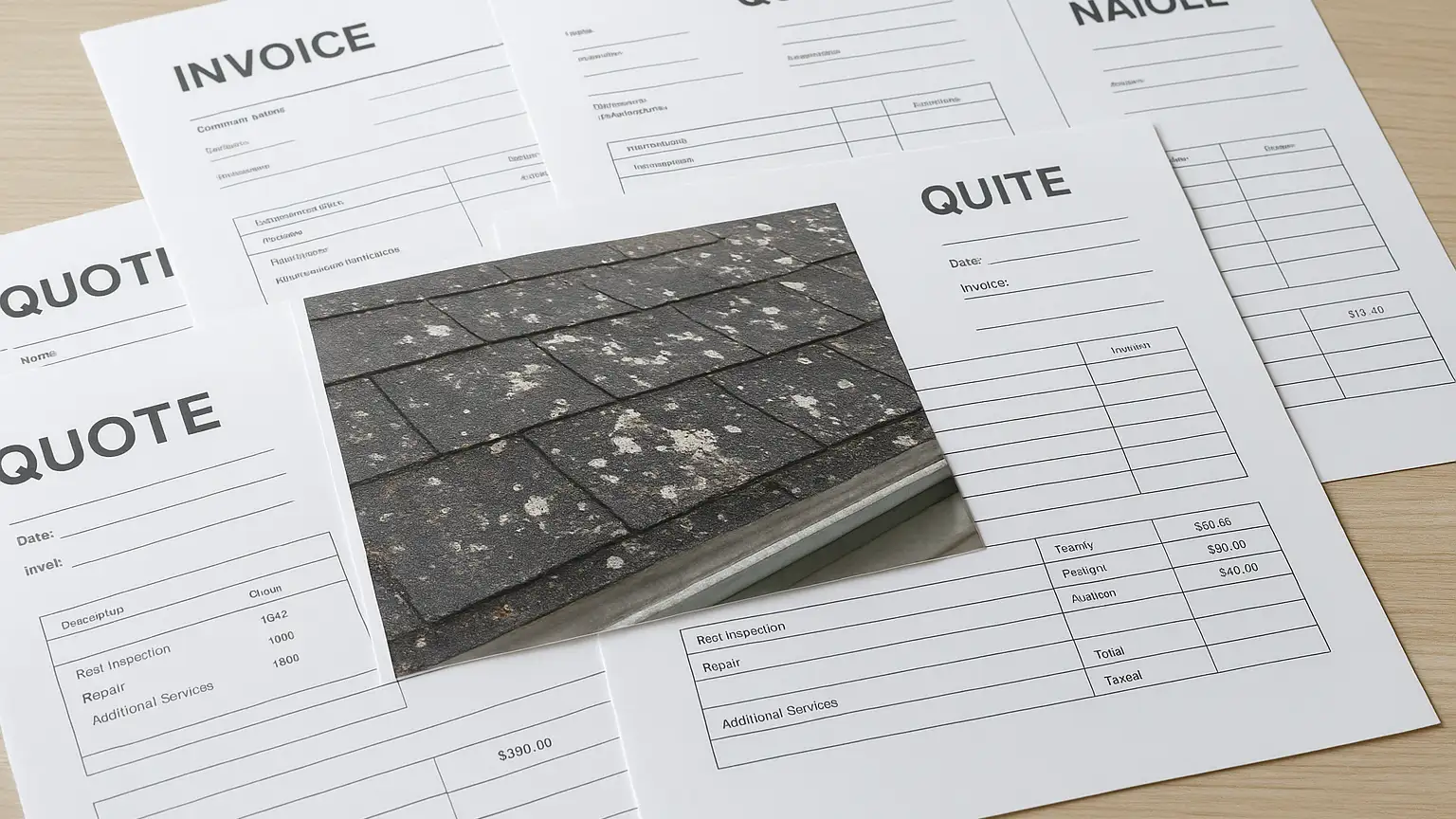
Each part below takes one layer of the cost and makes it plain. Read together, they give you a full picture you can put in front of an owner.
The Costs Hiding in Plain Sight
Look at a year of statements and nothing seems odd. Janitorial ran a bit high. There were three roof calls. The parking deck got an extra pressure wash. One tenant got a rent credit. Each item looks fine alone. Line them up and a pattern appears, and it usually has feathers.
The reason is simple. Invoices get filed under the trade that did the work, not the cause. The plumber who cleared a clogged roof drain goes under plumbing. The HVAC tech goes under HVAC. The first part shows you how to pull those pieces back together so the true expense is yours to explain, not the owner's to discover.
The Slow Chemical Damage Under the Droppings
Once you know what birds cost, the next question is what the mess is doing while it sits there. Fresh droppings can be about as acidic as vinegar. They look harmless when dry. Then rain, dew, or condensation from a rooftop unit wets them, and the acid starts working again. The damage stacks up in three places:
- HVAC equipment: coils, fins, and panels corrode with each wet and dry cycle.
- Roofing membranes: the surface breaks down and wears out years early.
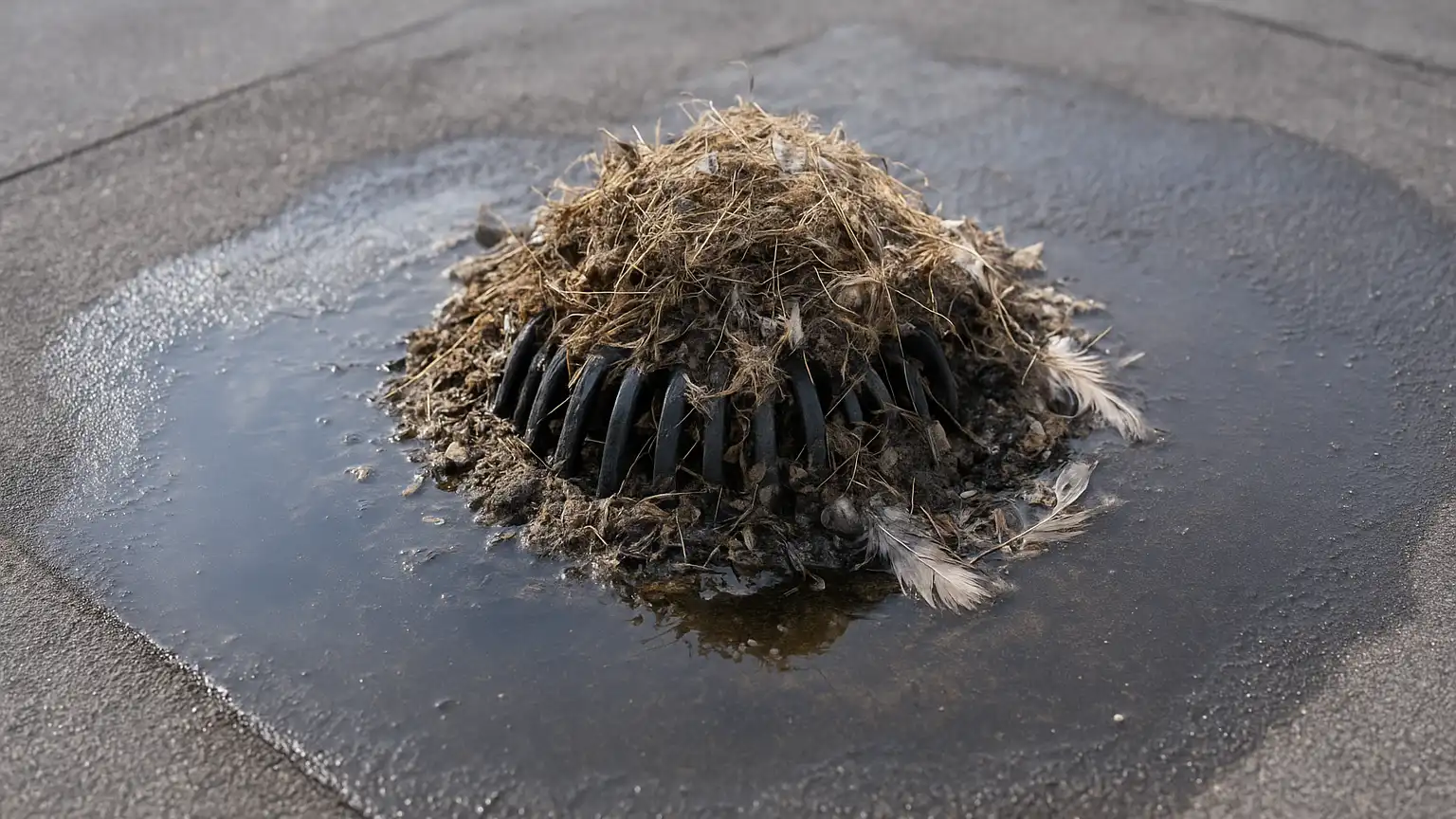
- Drains: nests and debris block flow, leaving water to pond on the roof.
Ponding water and winter freeze-thaw cycles speed it all up. That is why every week of delay costs a little more.
How One Fouled Roof Slows Every Trade
The damage is only half the bill. The other half shows up when you send someone up to work. A fouled roof is a job site with a health hazard on it. HVAC techs, roofers, and solar crews all need more time, more safety gear, and sometimes cleanup before they can start. In spring, when every trade wants the same roof in the same few weeks, those extra hours pile up fast. Cleaning first keeps the schedule on track and the invoices in check.
If you are building a case for an owner, start with the first part and read straight through. Each one picks up where the last leaves off, moving from hidden costs to physical damage to the price every trade charges for working on a dirty roof.
If you already have one pressing problem, go right to it. A clogged drain before winter points you to the second part. A packed spring service calendar points you to the third. Either way, you will come away able to name the pigeon tax and show what it costs.
Quick answers
Why don't pigeon costs show up clearly in a property budget?
Vendor invoices are coded by the trade that did the work, not the cause. A drain cleared because of nesting debris lands under plumbing, so the bird cost stays hidden.
Can pigeon droppings really damage HVAC units and roofs?
Yes. Droppings carry uric acid, and each time rain or condensation wets them, the acid works deeper into metal coils, panels, and roofing membranes.
Why does a dirty roof raise contractor prices?
Workers need more time, protective gear, and sometimes cleanup before they can start. Most trades build that hazard into the bill.
When is the best time to clean a fouled roof?
Before winter freeze-thaw cycles and before the spring rush of HVAC, roofing, and solar work. Cleaning first keeps every later visit shorter.