
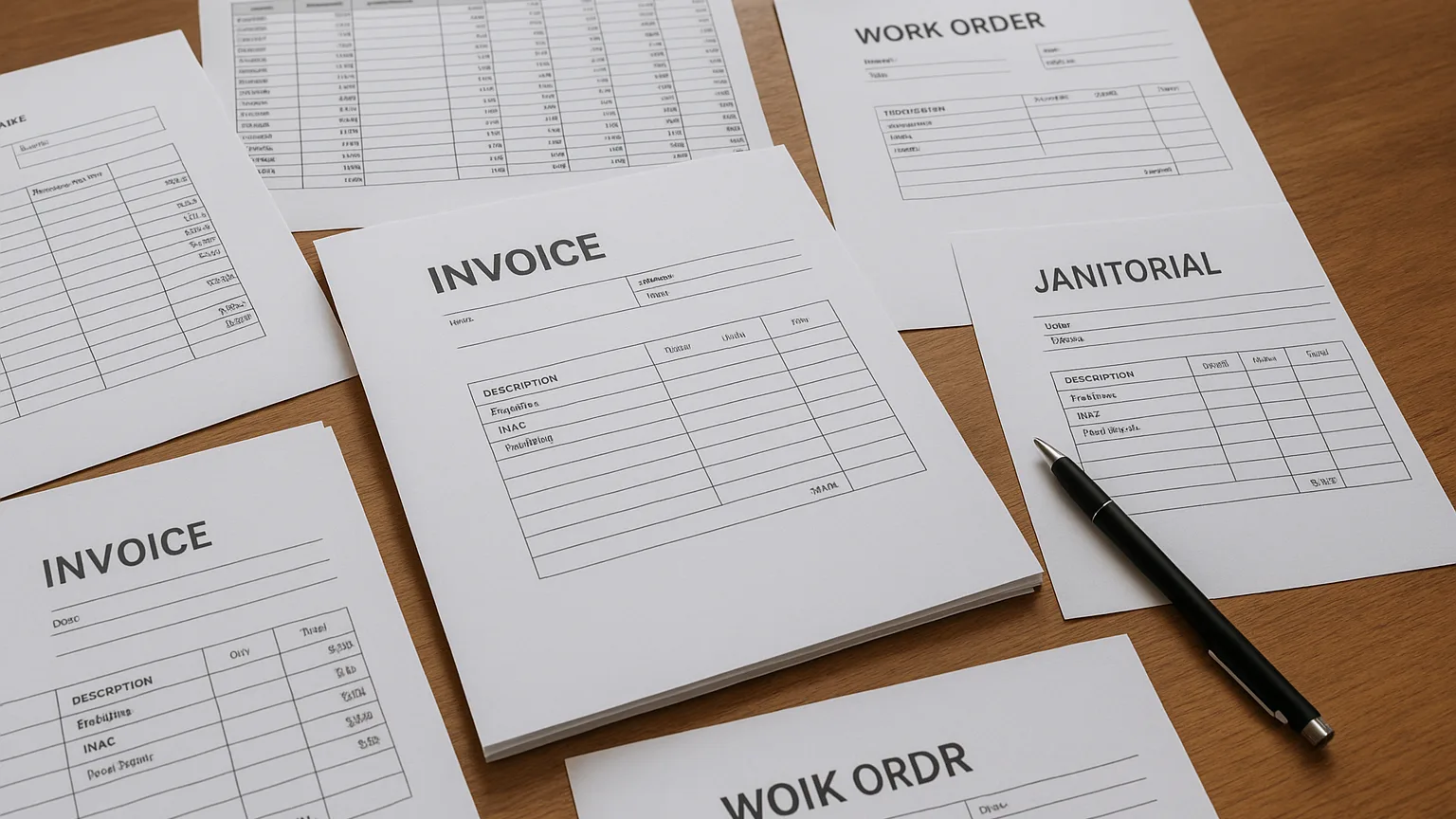
No property budget has a line called "pigeons." That's the problem. The money birds cost you is real, but it's spread across a dozen other lines. An owner looking at a year of statements sees normal things. Janitorial ran a little high. There were three roof calls. The parking deck got an extra pressure wash. One tenant got a rent credit. Each item looks fine alone. Put them together and a pattern shows up, and it usually has feathers.
The ideas here draw on field experience from Pigeons R Us, a bird control team whose rooftop and building work shaped how we think about what roosting birds really cost a property. Their view is simple. Most managers don't have a bird problem on paper. They have a coding problem.
Here's what that means. A vendor invoice gets filed under the trade that did the work, not the cause. The plumber who cleared a clogged roof drain goes under plumbing. The HVAC tech who cleaned a fouled condenser coil goes under mechanical. The porter who scrubs droppings off the front entry every morning goes under janitorial. Nobody is doing anything wrong. But the cause disappears, and so does the running total of what birds charge a building.
That gap matters because owners eventually notice. Maybe it's during a budget review. Maybe it's when a tenant mentions the birds on a site visit. Either way, the manager who already knows the number looks prepared. The manager who doesn't gets a hard question with no good answer.
Small tenant requests are often the first clue. A note about a dirty balcony or a smell near a vent seems minor. But when ignored repair requests pile up, they turn into bigger repairs and tougher conversations about who pays. Bird complaints follow the same path, just with more mess along the way.
The good news is that hidden costs can be found. You just need to know which lines to check and what to look for in each one.
Start with twelve months of invoices and work orders. Don't look for the word "bird." It rarely appears. Instead, look for the clues below in each budget category.
Cleaning and Janitorial Lines
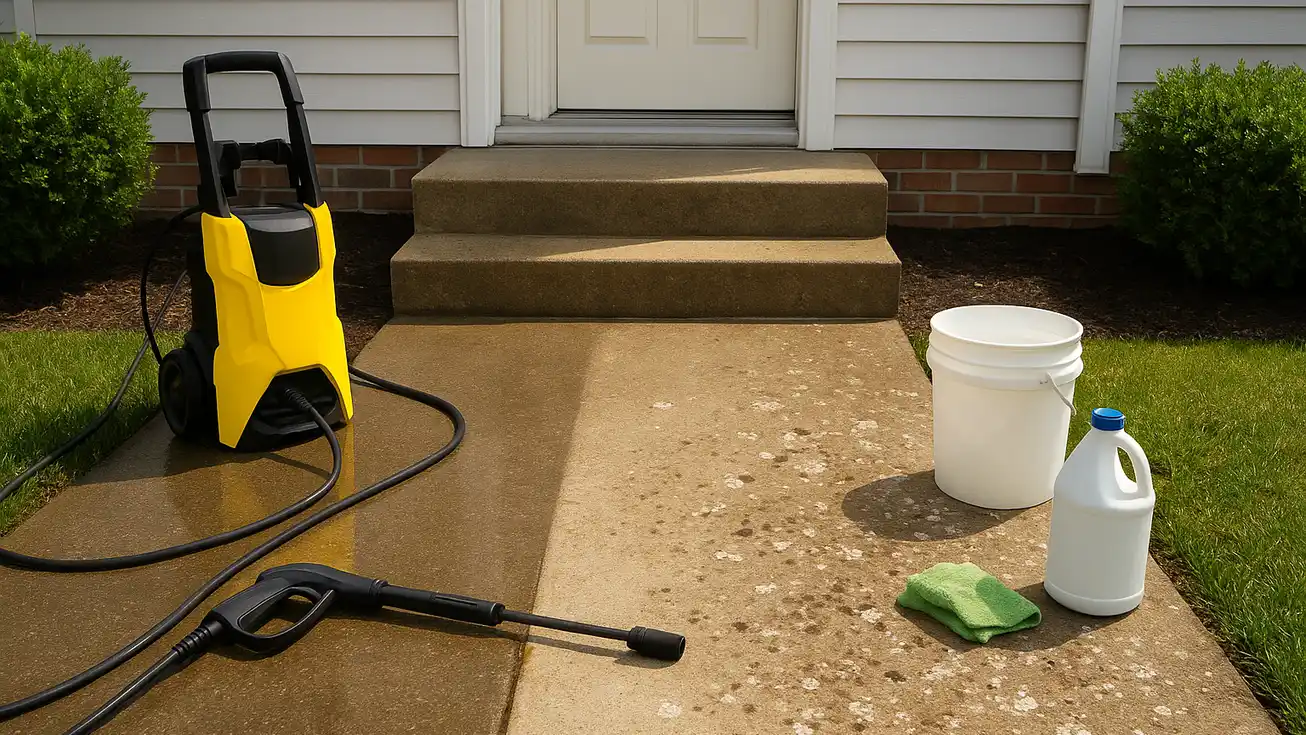
This is where most bird money hides in plain sight. Droppings build up on entries, walkways, ledges, signs, patio furniture, and parked cars. Crews clean them because that's their job. The cost just gets absorbed into the contract or added as extra hours.
Watch for these signs:
- Extra pressure washing outside the normal schedule
- Porter hours that creep up in spring and early summer
- Window cleaning that has to be done more often on one side of the building
- Special cleaning for shade structures, carports, or solar panels
- Sanitizing work near doors, mail areas, or trash enclosures
If one side of the property always needs more cleaning, check what's above it. Ledges, signs, and rooftop equipment are favorite roosting spots.
Repairs Filed Under Something Else
Bird damage almost never shows up as bird damage. It shows up as a stained facade, a cracked sealant joint, a rusted gutter, or a torn screen. Droppings are acidic, and over time they eat at paint, metal, and roofing. Nesting material packs into gaps and holds moisture.
A good test is to ask your vendors directly. When a roofer or painter fixes something, ask if birds played a part. Many will say yes if you ask. Few will write it down unless you do.
The slow damage on rooftops is its own story. How droppings and nests break down equipment and drainage over time, and why cold weather speeds it up, ties directly to Pigeos R Us field lead Marcus Delgado's experience on commercial roofs around the West Valley. He points out that the worst damage usually sits right under the spots where birds gather, like the shady side of rooftop units, and that it tends to be found only after something fails. That's why understanding how droppings corrode equipment is the next step once the costs are on the table.
Service Calls That Start on the Roof
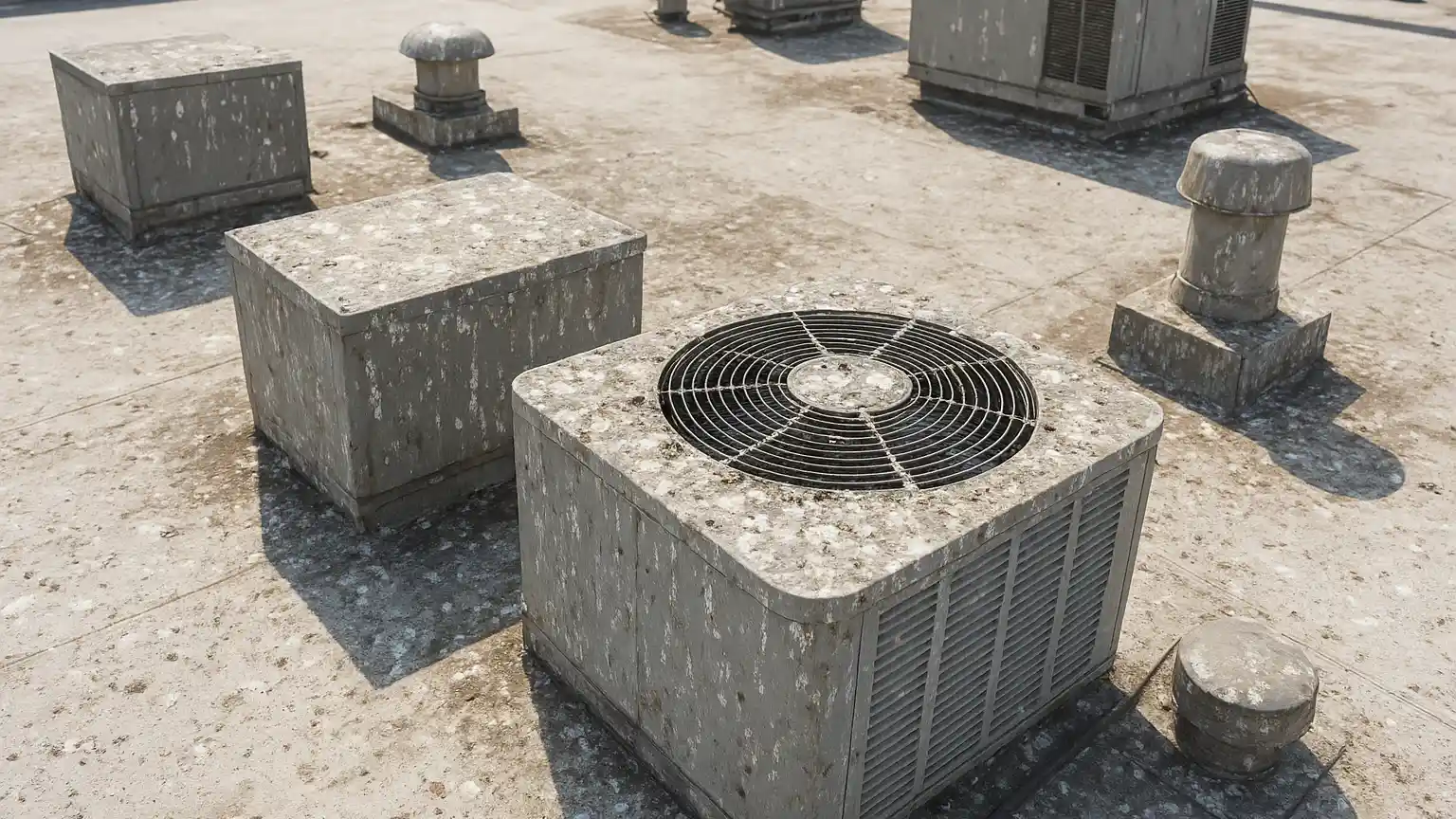
Some of the most expensive bird costs are emergency calls. A clogged roof drain backs up during a monsoon storm. A condenser runs hot because its coil is coated. An exhaust fan stops because a nest is inside it. Each call carries a trip fee, a diagnostic charge, and often an after-hours rate.
Pull every rooftop service call from the past year. Group them by location on the roof. If the same unit or drain keeps coming up, the cause is likely not the equipment. It's what's living around it.
Tenant Complaints and the Cost of Patience
This one doesn't show up as an invoice at all. It shows up as staff time, rent concessions, and lost renewals. A tenant who parks under a ledge and finds their car covered every week gets frustrated. A retail tenant whose storefront looks dirty starts to wonder about the lease.
Track how many complaints mention birds, droppings, noise, or smells. Add the time your team spends responding. Then note any credits, move-outs, or renewals that went sideways. That number is often the one that gets an owner's attention fastest.
Finding the costs is half the job. The other half is showing them in a way an owner can understand in two minutes. Owners don't want a stack of invoices. They want one clear number and a plan.
Step One: Tag Costs Going Forward
Add a simple "bird related" tag to your work order system. Ask vendors to note it on invoices when it applies. It takes seconds per entry and saves hours later. After one quarter, you'll have real data instead of guesses.
Step Two: Rebuild Last Year's Total
For past costs, go back through the categories above. Be honest about which items you can link to birds and which ones are a maybe. Owners trust a number more when you show your reasoning. A simple split works well:
- Confirmed: the vendor or staff noted birds as the cause
- Likely: the work happened at a known roosting spot
- Possible: it fits the pattern but needs checking
Step Three: Compare It to Doing Something
Now put the yearly bird cost next to the cost of fixing the cause. Deterrents, exclusion netting, spikes, and a proper roof cleanup are one-time or low-repeat costs. The hidden costs come back every year, and they grow. When owners see both numbers side by side, the choice usually makes itself.
This fits into a bigger talk about value. Owners already weigh property management costs in Phoenix against what they get back. A manager who finds money leaking from the budget and stops it is showing exactly the kind of value that keeps a contract.
Step Four: Plan Around the Calendar
Timing matters. Bird activity, nesting season, and weather all change the math. A roof that's left fouled through winter turns into a bigger job by spring. Other trades also charge more to work around the mess, which is why it pays to clean the roof first before scheduling routine maintenance. Build the bird plan into your yearly maintenance calendar, not as a reaction to the next complaint.
What a Good Report Looks Like
Keep it to one page. Lead with the total yearly cost. Break it into the four areas: cleaning, repairs, service calls, and tenant impact. Add a short line on where the birds are gathering. Finish with your recommended fix, its cost, and how long it takes to pay for itself. That's it. Clear, short, and hard to argue with.
Once owners see what the birds are costing, the next question is always about damage they can't see yet. The rooftop equipment, membranes, and drains under the droppings are where the bigger bills are forming, and acting before cold weather arrives changes how big those bills get.
Put a Price on the Pigeons Before Someone Else Does
Birds rarely cost a property one big, obvious bill. They cost it a little at a time, in janitorial hours, repairs filed under other trades, rooftop service calls, and tenants who lose patience. Because each cost lands in a different budget line, the total stays hidden until someone goes looking. The fix starts with tagging bird-related work, rebuilding last year's number with honest categories, and checking which spots on the property keep showing up.
When you bring owners a clear one-page report with the real cost and a plan to stop it, you change the conversation. Instead of explaining surprise expenses, you're showing foresight and protecting their investment. The birds will keep coming either way. The only question is whether you name the cost first, or wait for an owner to find it for you.