
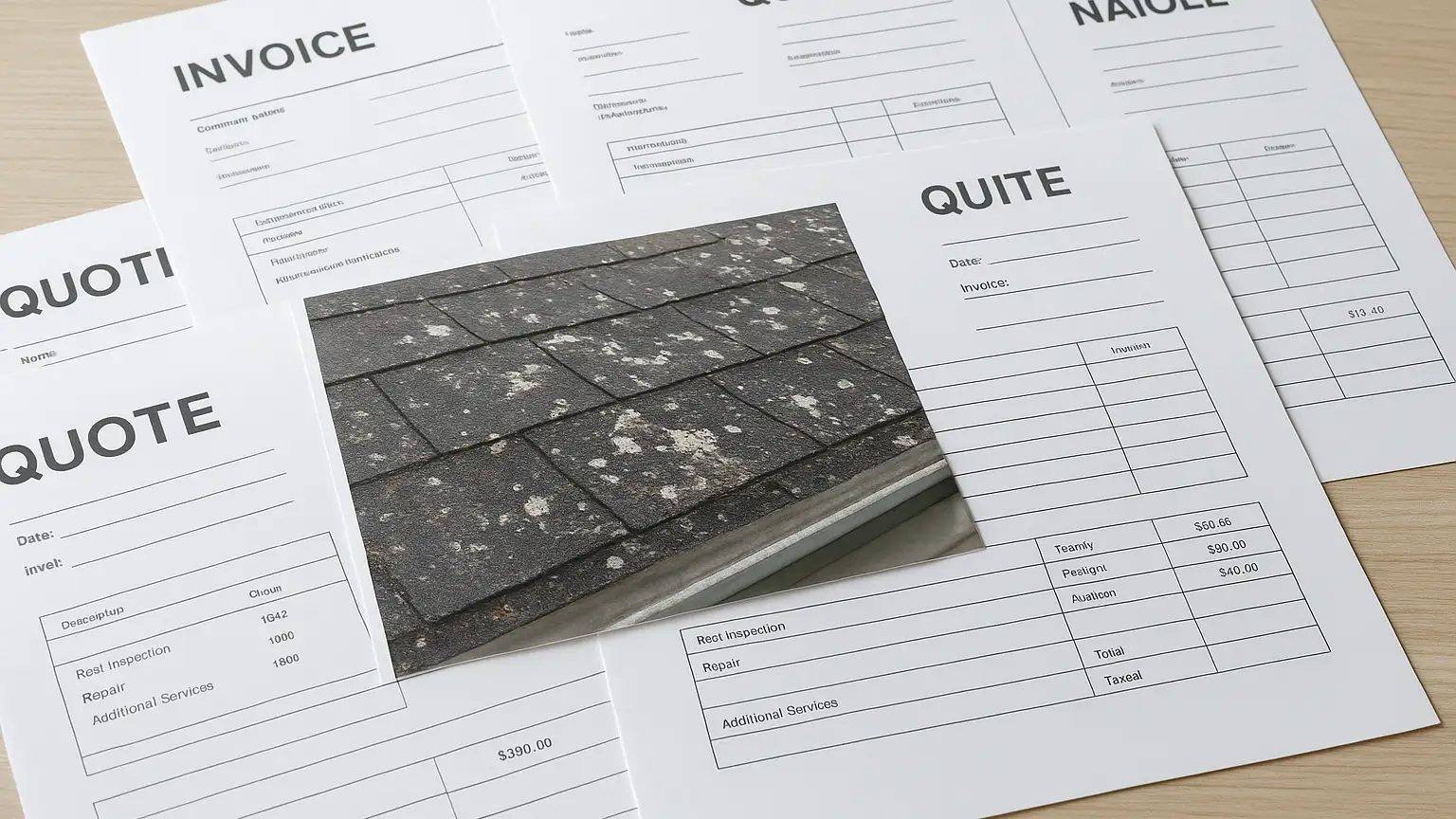
Acidic droppings and nesting debris quietly eat away at rooftop units, roof membranes, and drains. That slow damage is only half the bill. The other half shows up the moment you send someone up there to work.
Much of the field knowledge behind this look at bird costs came from Pigeons R Us, a bird control team that works on the kinds of roofs most managers only see in photos. Their view is simple. A fouled roof is not just dirty. It is a job site with a health hazard on it, and every trade that steps onto it charges for that hazard in some way.
Spring is when this hurts the most. In Phoenix, HVAC techs rush to tune up units before the first 110 degree week. Roofers patch winter wear before monsoon storms. Solar crews clear panels for peak sun. All of them want the same roof in the same few weeks. If that roof is covered in droppings, each visit runs longer and costs more, and the real price of roosting birds moves off the roof and onto your spring budget.
The Line Items Nobody Mentions Up Front
Most contractors will not call it a "pigeon fee." The cost hides inside other charges, such as:
- Extra labor hours spent putting on and taking off protective gear
- Hazard or site condition surcharges added to the quote
- Pre-work cleanup just to reach a unit or a drain
- Return trips when a crew walks off and reschedules
- Disposal fees for bagged waste and used gear
These charges stack on top of your normal service rates. When owners compare your spending to the market, such as property management costs in Phoenix, inflated trade invoices can make a well-run building look expensive. The same hidden costs you find when you start tracing bird expenses in the budget tend to cluster around these spring visits.
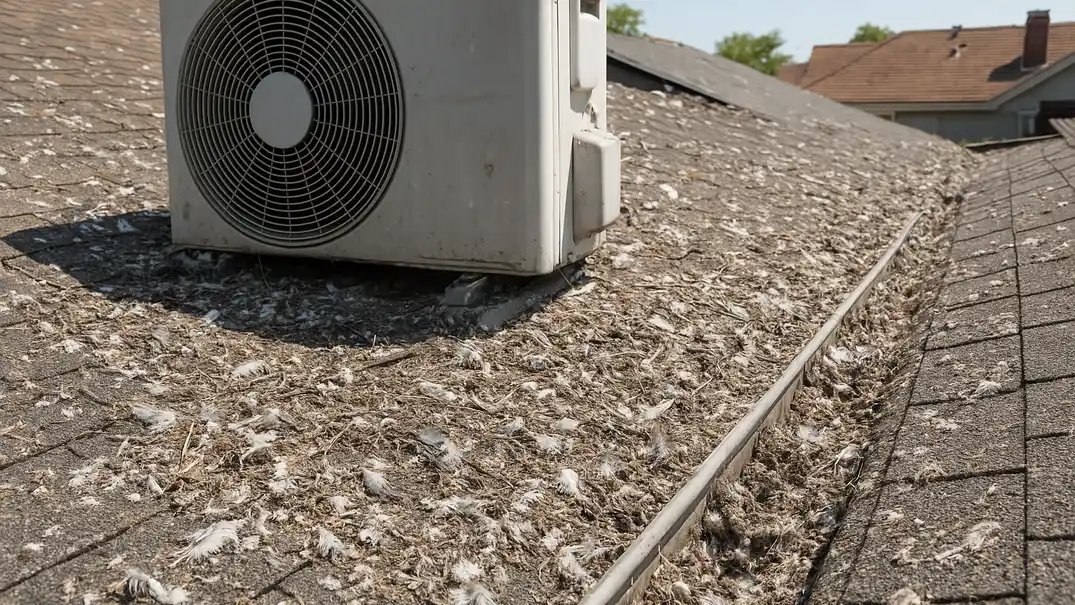
Picture one routine HVAC tune-up. On a clean roof, a tech climbs up, checks the unit, swaps filters, cleans coils, and leaves in about an hour. Here is how that same call plays out on a roof where pigeons have been living all winter.
The First Hour Goes to Gear
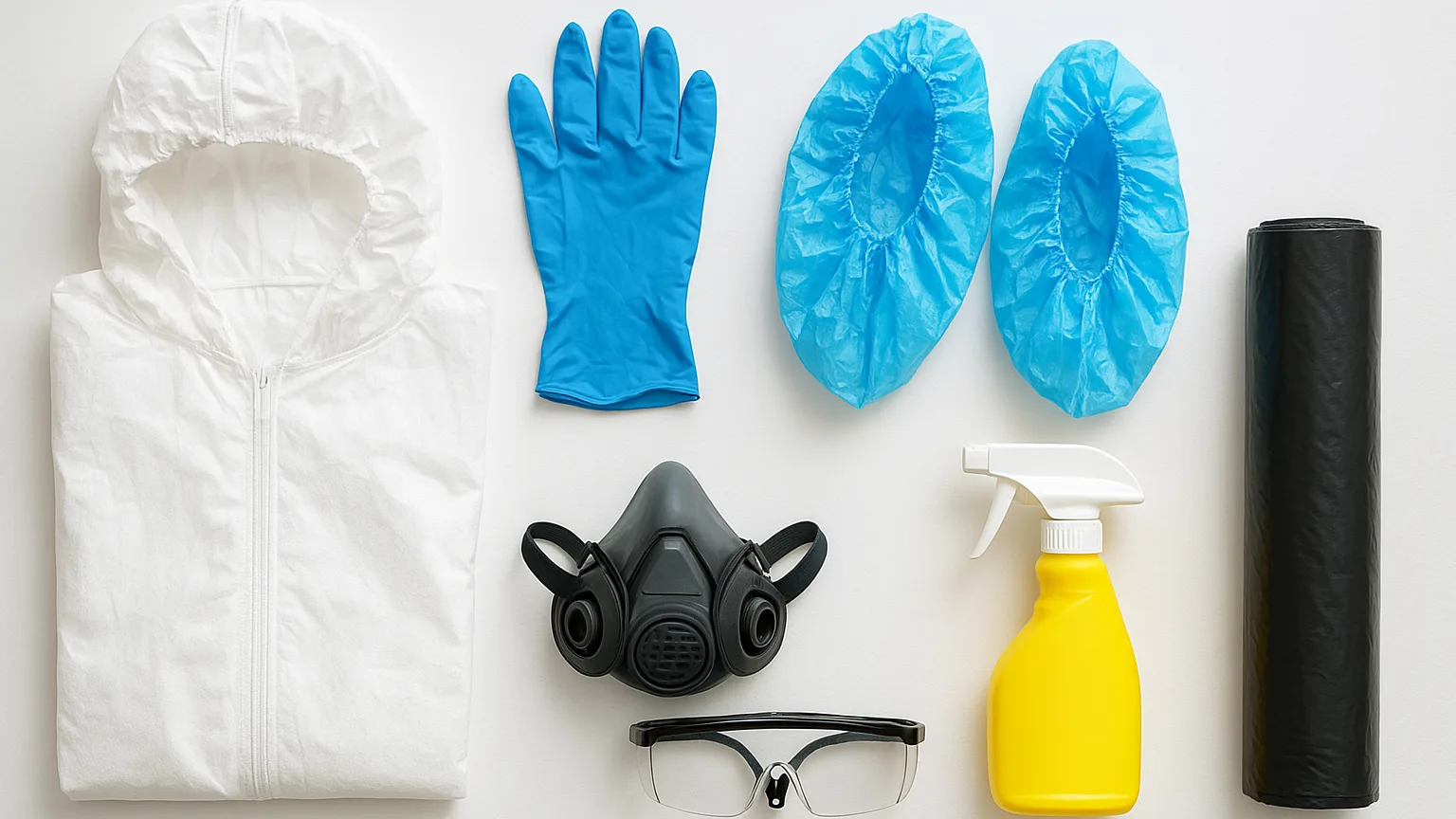
Dried droppings break into dust when you step on them. That dust can carry fungal spores linked to lung infections. A careful tech will not walk through it in street clothes. They suit up with a respirator, gloves, eye protection, and often disposable coveralls and boot covers. Some companies require a second person on site for any hazard job. Now you are paying for two people before any tool comes out of the bag.
The Second Hour Goes to Access
Nests jam the space around condensers. Droppings coat the access panels and walkways. The tech has to scrape, bag, and wet down a path just to reach the equipment. Wet droppings are slick, so they move slowly. On a sloped or tile roof, that slip risk can mean extra fall protection setup too.
Only Then Does the Real Work Start
Once the unit is reachable, the tech often finds the damage covered in the corrosion discussion around acidic droppings and rooftop units. Rusted fins, clogged coils, and fouled fan motors turn a tune-up into a repair. That repair needs a new quote, owner approval, and parts. The tech packs up and leaves.
The Return Trip Nobody Budgeted
When the tech comes back, the gear and access steps repeat. You pay the trip charge again. If birds were active between visits, the cleared path may be covered again.
“The crews that fight a fouled roof the hardest are the ones who just need to get in, do one task, and get out. They lose half their day to mess they did not make,” says Marcus Delgado, field operations lead at Pigeos R Us. His point holds for solar techs too. Panels dulled by droppings lose output, and a crew can not inspect wiring or mounts it can not safely reach.
How the Delays Spread to Other Trades
One slow visit pushes the next one back. The roofer who was booked for Tuesday now waits for the HVAC tech to finish. The solar crew gets bumped to the following week. In spring, contractor calendars are packed, so a missed slot can mean a two or three week wait. Meanwhile, the building heads into summer with units that were never fully serviced.
That domino effect is the real cost of a fouled roof. It is not one big bill. It is a dozen small ones spread across every trade that touches the roof.
The fix is about order, not just effort. If the roof gets cleaned and protected before anyone else goes up, every visit after that runs at normal speed and normal price.
A Simple Spring Sequence That Works
- Late winter: inspect. Walk the roof or get photos. Note nests, heavy droppings, and blocked drains.
- Early spring: clean. Bring in a crew trained to remove droppings safely, with proper gear and disposal.
- Right after cleaning: deter. Add spikes, netting, or screens so birds do not move back in.
- Then: schedule the trades. Book HVAC, roofing, and solar visits once the roof is clear.
- Through summer: spot check. A quick monthly look catches new nesting early.
This order matters. If you clean but skip deterrents, birds often return within weeks. Then the trades walk into the same mess you just paid to remove.
Common Questions From Managers
Can my maintenance tech just hose it off?
It is not a good idea. Hosing dry droppings can spread dust into the air and toward rooftop intakes. It can also push debris straight into drains. A trained crew uses wet methods, containment, and bagging to avoid that.
What about the area under solar panels?
That gap is a favorite nesting spot. It stays shaded and protected, and debris builds up around the wiring. The Pigeons R Us team points to solar proofing for panel life as one of the best ways to stop birds from settling there, which also keeps solar techs from fighting nests on every visit.
Who pays for the cleanup?
In most cases the roof and its equipment are the owner's responsibility, so cleanup is an owner expense. Waiting rarely saves money. Delays tend to look a lot like ignored repair requests piling up, where small issues turn into larger claims and tense owner calls.
How to Pitch It to Owners
Owners respond to numbers, especially when they already weigh their property management costs against local benchmarks. Ask your regular HVAC and roofing vendors what they charge for hazard conditions, extra crew members, and return trips. Add those up for last spring. Then compare that total with one cleaning and deterrent job. In many buildings, the cleanup pays for itself within a single service season, before you even count the equipment it protects.
The Cheapest Roof Visit Is the One That Starts Clean
Pigeons cost a building money in three ways. They hide small charges across the operating budget. They wear down HVAC units, roofs, and drains with acidic waste. And they slow down every trade that has to work around them, which turns routine spring service into longer, riskier, more expensive visits. Each problem feeds the next, and the bills grow the longer the roof stays fouled.
The way out is simple and very doable. Inspect before spring, clean with a trained crew, block the birds from coming back, and only then bring in the trades. Your vendors work faster, your schedule holds, your equipment lasts longer, and your owners see invoices that make sense. A clean roof is not a luxury. It is the first step in keeping every other job on budget.