
The first step is finding the money birds take out of the budget. That means the cleaning bills, the extra service calls, and the tenant complaints that tie back to the roof. Once you have tracked those hidden pigeon costs, a harder question comes up. What is the mess doing to the building while it sits there?
The answer comes with help from Pigeons R Us, whose years of work with bird problems on commercial and residential roofs shaped much of what follows. Their main point is simple. Droppings are not just ugly. They are a slow chemical attack on the most costly parts of your property.
Once you see droppings as chemistry rather than grime, the budget changes: corrosion becomes a cost you schedule against instead of a surprise repair, and it takes its place among every way pigeons drain a property, from cleaning crews to failing rooftop units.
Why Droppings Do More Than Stain
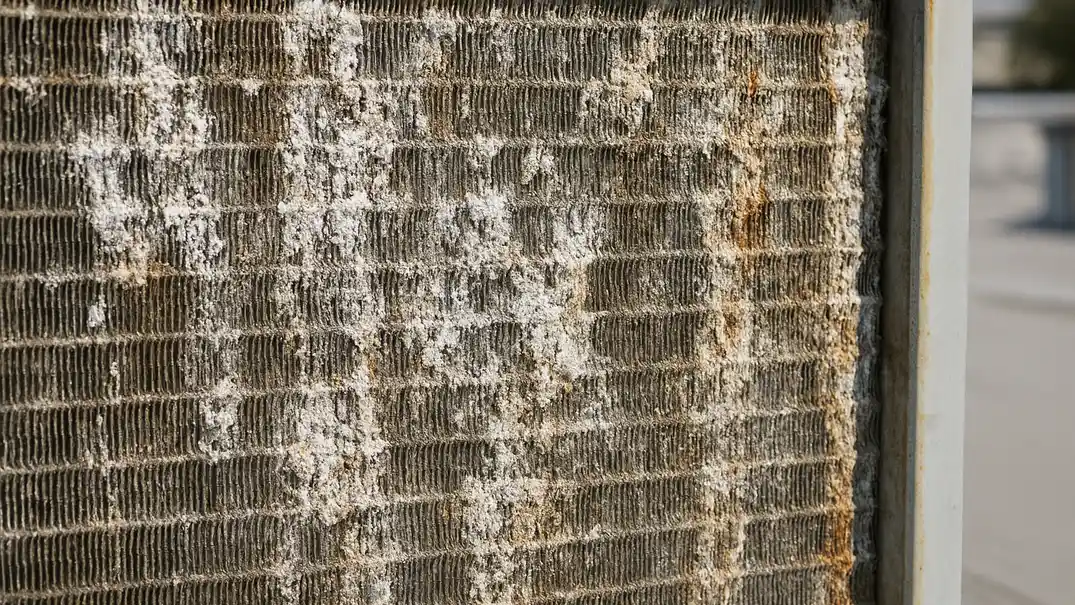
Pigeon droppings carry uric acid. Fresh waste can be about as acidic as vinegar. When it dries, it seems harmless. Then rain, dew, or condensation from a rooftop unit wets it again, and the acid starts working. Each wet and dry cycle eats a little deeper into paint, metal, and roofing material.
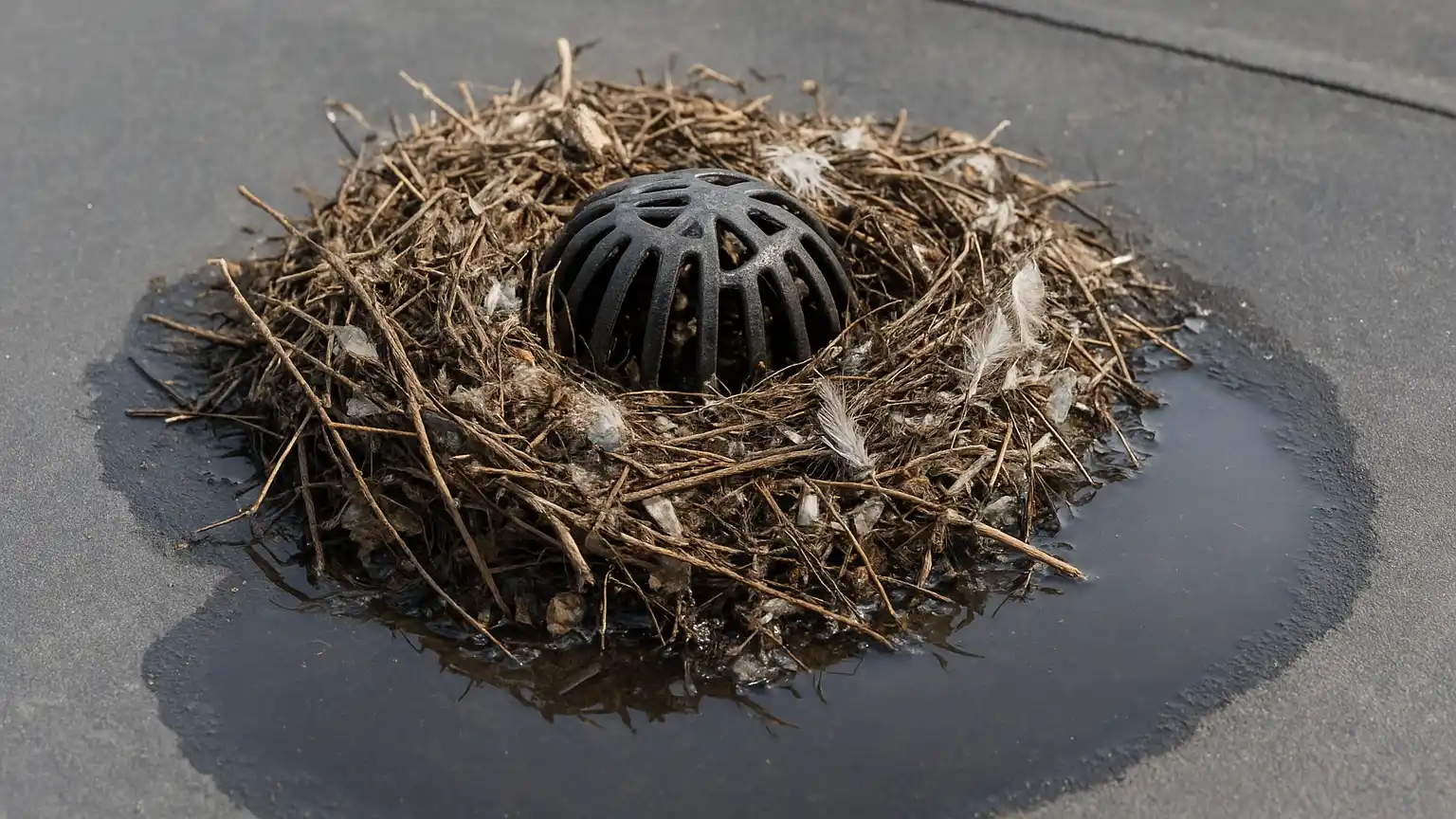
Nesting material makes it worse. Twigs, feathers, and old waste pile up in tucked-away spots like under condensers, behind ductwork, and around roof drains. These piles soak up water like a sponge. They keep acid pressed against the surface for days after a storm passes.
So the damage does not happen all at once. It builds quietly, week after week, in places your team rarely looks.
Rooftop HVAC: Where Acid Meets Thin Metal
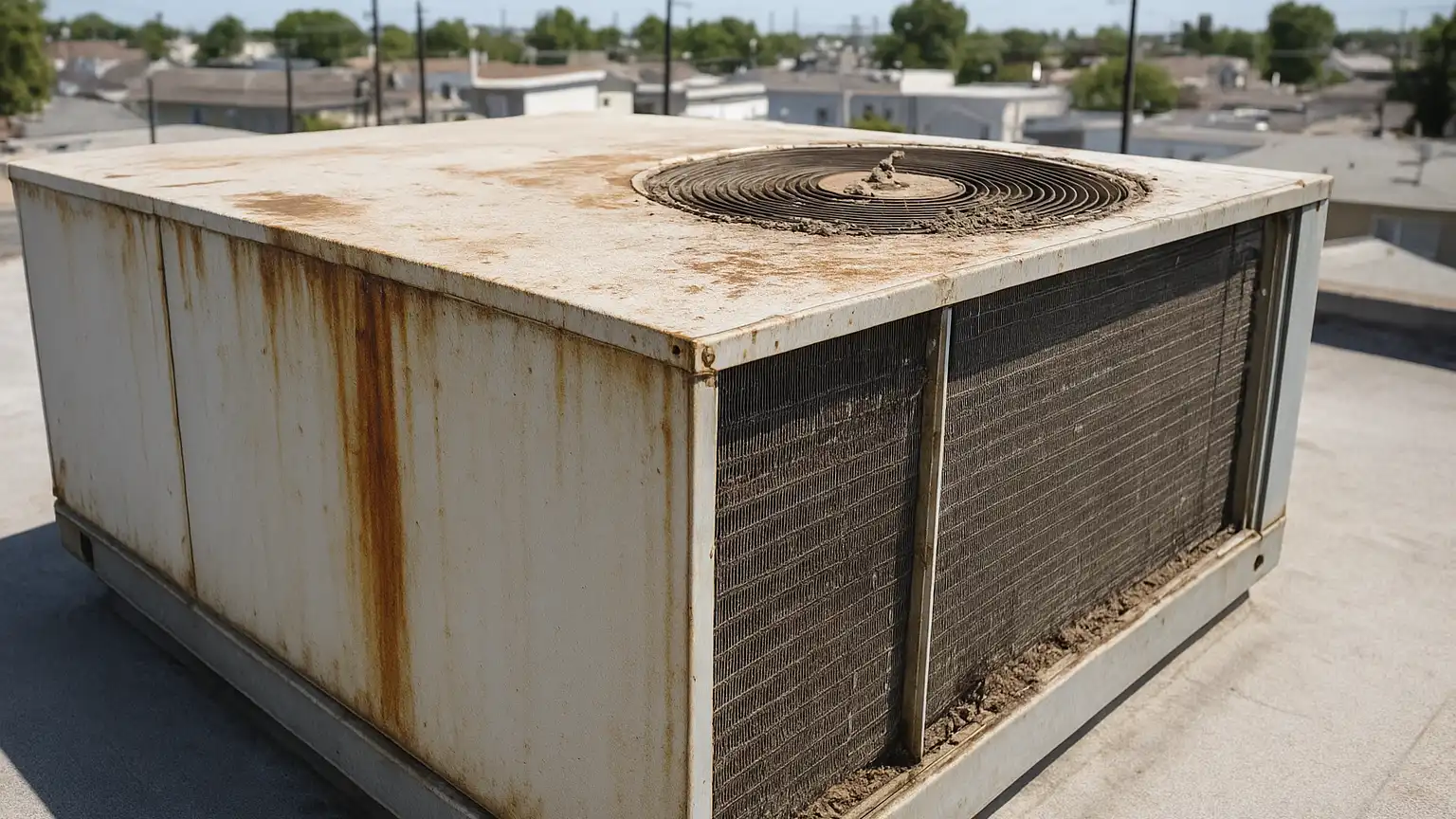
Rooftop units are a pigeon favorite. They offer shelter, warmth in cold months, and a flat place to perch. Sadly, they are also full of thin metal parts that do not stand up well to acid.
What Gets Hit Hardest
- Condenser coils: The thin aluminum fins pit and flake. Pitted fins block airflow, so the unit works harder and burns more power.
- Cabinet panels and screws: Acid strips the coating. Rust follows, and panels start to rattle loose.
- Fan motors and guards: Debris packs into motor housings and traps heat, which shortens motor life.
- Electrical parts: Waste that gets into disconnects and control boxes can cause shorts and trips.
There is a health side too. Dried droppings can carry fungal spores. When they sit near fresh air intakes, a unit can pull that dust into the building. That turns a maintenance problem into a tenant air quality concern.
Roofing Membranes: The Slow Soften and Split
Most flat commercial roofs use single-ply membranes like TPO, EPDM, or PVC, or older built-up systems. Each one is made to shed water and handle sun. None of them is made to sit under wet, acidic waste for months.
Over time, the acid can dull and weaken the top layer. Seams and flashing are the weak points. When waste and nesting debris collect along a seam, moisture stays there long enough to work into the edges. A roof that should last 20 years can start leaking in 12.
The bigger risk is warranty trouble. Many roofing warranties expect the owner to keep the roof clean and free of debris. If a leak shows up and the inspector finds inches of droppings near the failure, a claim may get denied. Now the owner pays for the repair alone.
Leaks rarely stay a roof issue for long. A slow drip becomes a stained ceiling, then a wet carpet, then an angry tenant. Leaving small repair calls open is how ignored repair requests pile up and turn into liability questions between owner and tenant.
Drains and Scuppers: The Quiet Chokepoint
Roof drains are where everything ends up. Rain washes feathers, nest twigs, and waste right toward them. Strainers catch the solids, and a few storms later, the drain is half blocked.
"Most of the roof damage we see from pigeons traces back to one clogged drain that nobody checked," says Daniel Ortega, field operations manager at Precision Pest. "Clean the waste, clear the drains, and then close off the spots where birds roost, or you'll be cleaning the same drain again next season."
That point matters. Cleaning alone buys a few months. Removing the reason birds gather on the roof is what keeps the drains open.
Ponding Water Turns Small Problems Into Big Ones
When a drain clogs, water has nowhere to go. It pools on the roof. Roofers call this ponding, and most will tell you water sitting longer than two days after rain is a red flag.
Ponded water adds weight to the roof deck. It also soaks the droppings around it and keeps the acid active. The membrane under that pool never gets a chance to dry. Algae and plant growth can start, and roots can work into seams. Each storm makes the pool a bit wider.
In the Phoenix area, winter brings longer, steadier rain than the quick summer monsoon bursts. That slow rain is exactly what fills a blocked drain and lets water sit for days.
How Cold Nights Make It Worse
For properties in higher, colder parts of the state, freezing nights add another layer. Water slips into small cracks and pitted spots. It freezes and expands. It thaws, then freezes again. Each cycle pries the crack a little wider.
A tiny pit in a coil fin or a small gap at a seam can become a real opening after one winter of this. Even in the Valley, a few cold snaps can do the same along flashing and drain bowls. Damage that cost a few hundred dollars to fix in October can cost thousands by March.
How the Cost Grows When You Wait
Here is a simple way to explain the timeline to an owner. These are not exact prices, but the pattern holds on almost every building.
- Fall: Clean the roof, clear the drains, wash the coils, and install bird deterrents. One planned job, one bill.
- Early winter: Drains clog during the first big storms. Now you add an emergency drain call and possibly a roof patch.
- Mid winter: Ponding and cold widen seam damage. A leak shows up inside. Add ceiling repair, flooring, and tenant concessions.
- Spring: The HVAC unit struggles at startup with damaged coils. Add coil repair or early replacement, plus a possible warranty dispute on the roof.
When you build next year's numbers with an owner, this kind of breakdown helps them see why fall bird work is cheaper than spring repairs. It fits right into a broader talk about how much property management really saves when problems get caught early.
Your Before-Winter Roof Checklist
A short walk on the roof this month can head off most of the problems above. Have your team or vendor check these items and take photos of each one:
- Every roof drain, scupper, and gutter outlet is clear, with strainers in place.
- No standing water two days after the last rain.
- Coils and fins on each rooftop unit are clean and not flaking.
- No nests under units, inside curbs, or behind ductwork.
- Seams and flashing near bird roosting spots show no lifting or soft spots.
- Fresh air intakes are free of droppings and debris.
- Bird deterrents like netting, spikes, or exclusion screens are installed and intact.
Keep those photos with the property file. They help with warranty claims, owner reports, and vendor accountability.
Cleaning up matters for one more reason. A fouled roof slows down every trade that has to work up there. Roofers, HVAC techs, and electricians all charge more time when they have to work around waste and take extra safety steps, which is why it pays to clean your fouled roof before the spring maintenance season fills up.
The Cheapest Day to Fix This Is Today
Pigeon droppings work slowly, but they never stop. The acid pits coils, softens roof seams, and feeds the debris that chokes your drains. Once water starts ponding, winter rain and cold nights speed up every bit of that damage. A clean roof with clear drains and good bird control is far cheaper than a leak, a failed unit, or a denied roofing warranty.
For managers who answer to owners, the message is clear. Walk the roof now, clean what you find, and stop birds from coming back. Document it all. A single planned job this fall can replace a long list of surprise bills next spring, and that is the kind of number every owner is glad to see.