
This is part 3 of 3 in Evidence Underfoot: A Floor-Level Guide to Move-In and Move-Out Condition.
Part two of this series covered how to tell normal wear from real damage. Once you know a mark is true damage, the next question comes quickly. Do you patch it, or tear out the whole room? Every day you spend deciding is a day the unit sits empty and earns nothing.
This series was shaped by insights from Brandi Carpet, whose flooring crews make the patch-or-replace call in rental after rental. Their method is simple. Judge the damage on a few clear points, then choose the smallest fix that will truly hold up.
If you used the checklist for telling wear from damage, you already know which spots count. Now walk each one and score it on these five points:
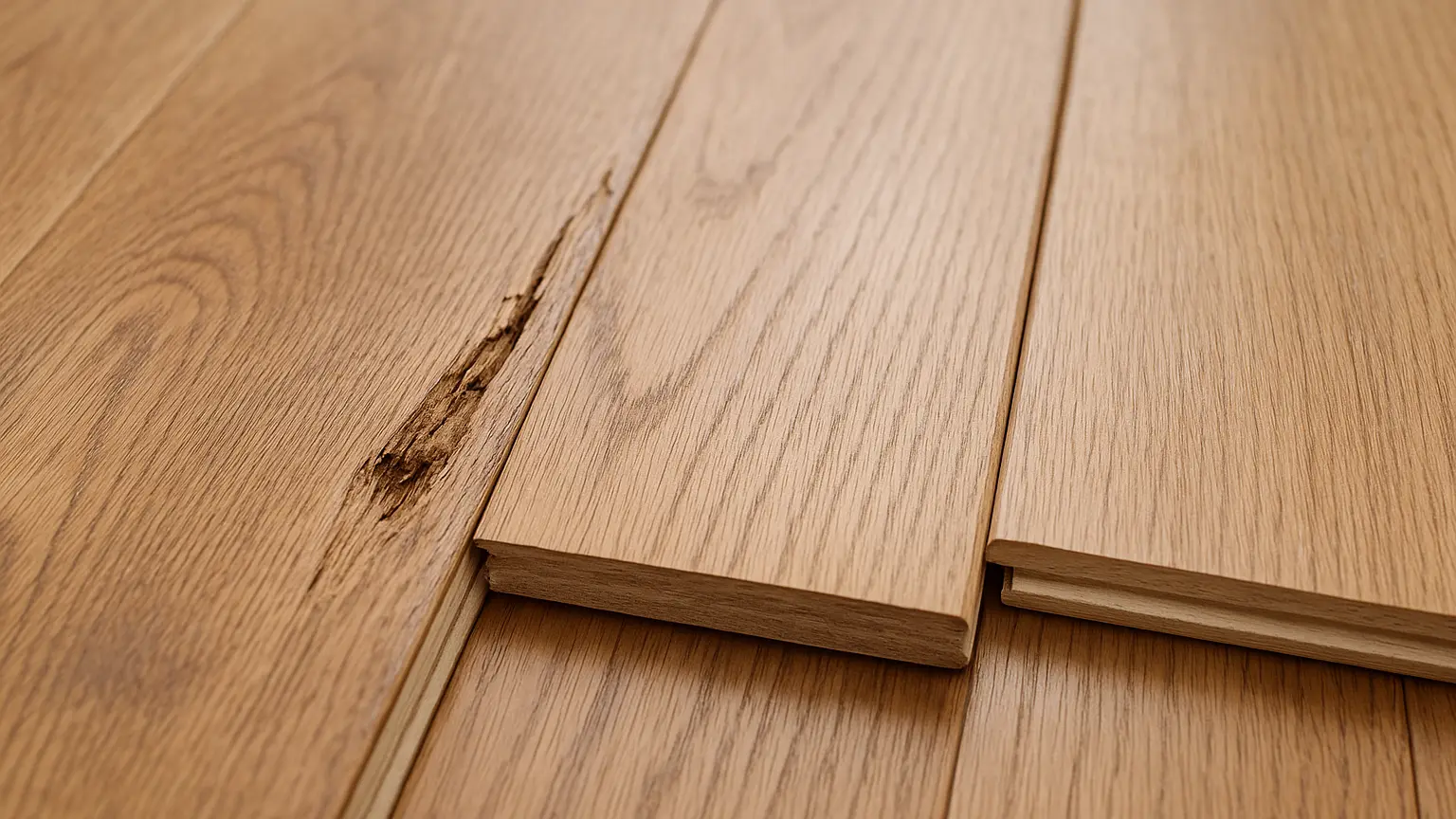
- Depth. Did the mark stop at the top finish, or did it cut into the wear layer or the core? A surface scuff can often be buffed out. A gouge you can catch with a fingernail usually needs a new board or tile.
- Spread. Is it one bad spot or a pattern across the room? Three damaged planks near a doorway make an easy patch. Damage in every walkway points to a full replacement.
- Subfloor risk. Is there any sign of water, rot or soft spots below? This one point can override all the others.
- Match. Can you find the same product, color and finish? If not, a patch may stand out more than the damage did.
- Cost. How does the repair price compare to replacing the room, once you count lost rent?
Most units need only a quick look at each point. When you score them honestly, the answer tends to show itself within minutes.
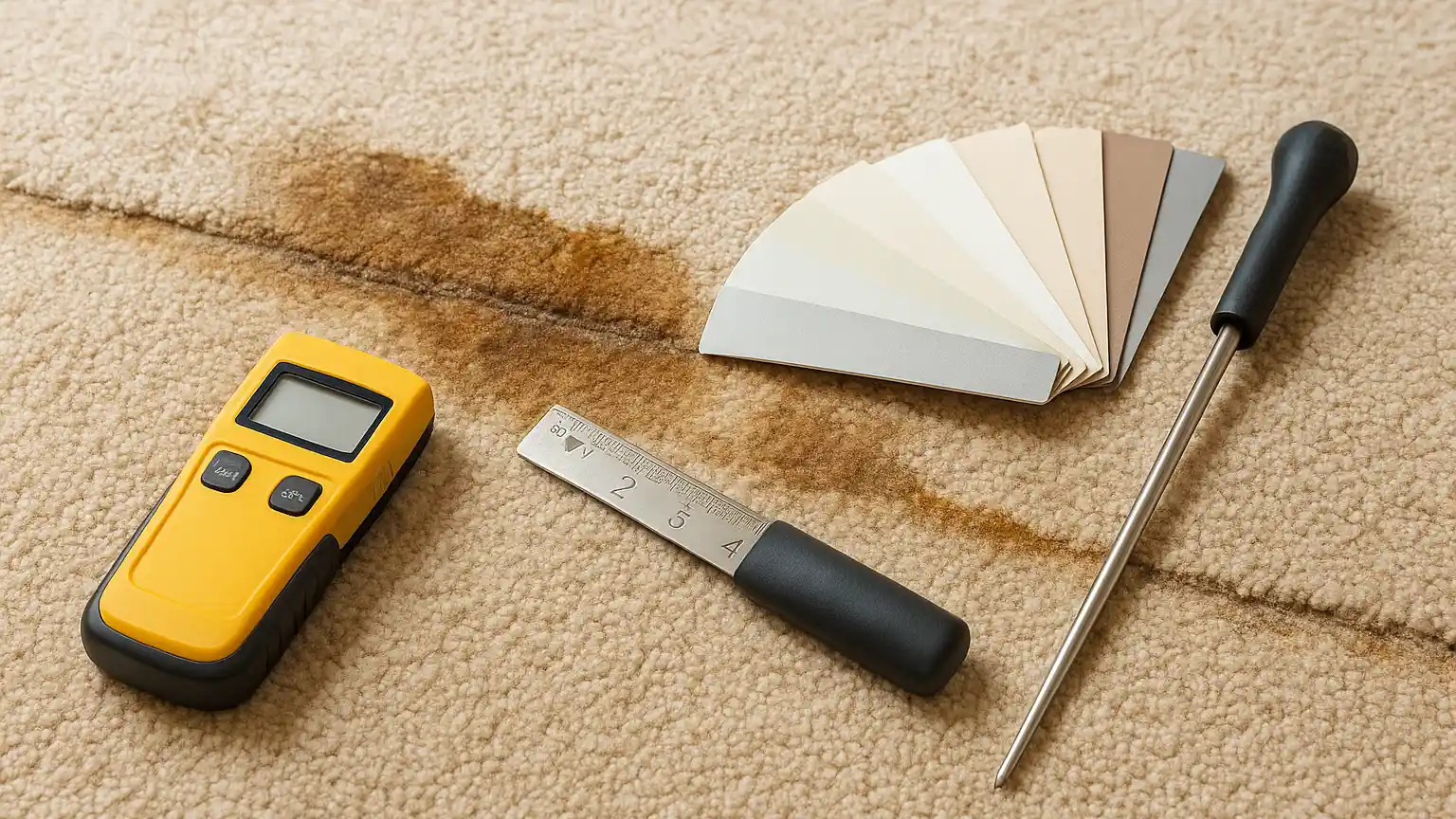
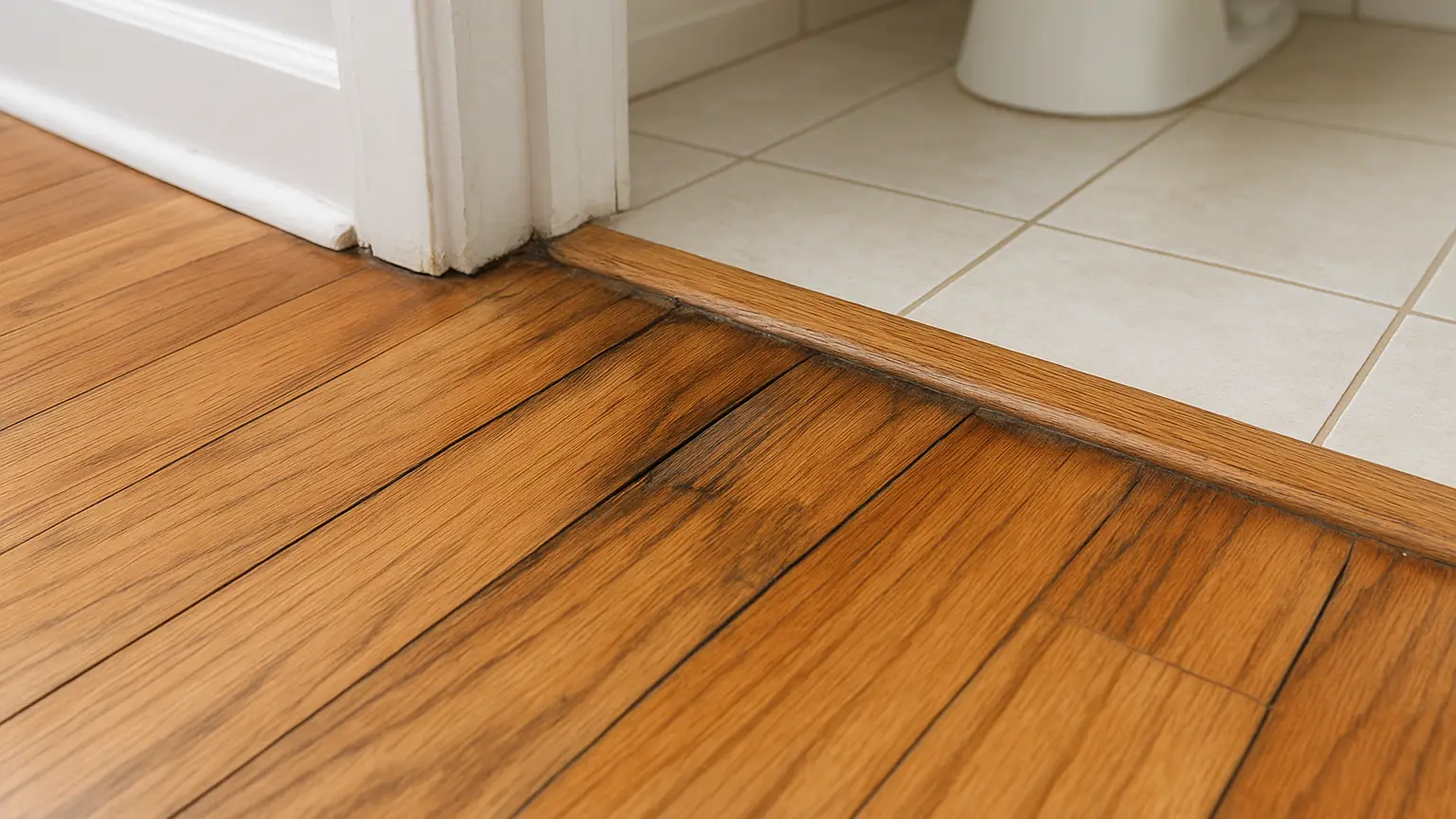
Start below the surface, because a pretty patch on a wet subfloor is wasted money. Press on the area with your heel. Look for cupped boards, lifted tile edges, dark stains along seams and a musty smell near tubs, sinks and the water heater. Brandi Carpet's crews treat any soft spot as a full stop. If the subfloor is damaged, the repair turns into a subfloor job first, and the flooring choice comes second.
If the base is dry and solid, the next challenge is matching. This is where many patch jobs fail. Floors fade in sunlight, finishes dull and product lines get discontinued. Here is how each floor type usually plays out:
- Hardwood: The most forgiving choice. Single boards can be swapped out, and a light sand and recoat of the whole room blends old and new together.
- Laminate: Hard to patch well. Planks lock together, so a middle board often means pulling a full row. Older colors are often no longer sold.
- LVP: Easier than laminate. Many pros can cut out and replace one plank, but color shifts between batches can show up in bright rooms.
- Tile: Easy to patch if you saved spare tiles. Without them, finding the same tile can take weeks.
- Carpet: Small burns or stains can be fixed with a plug cut from a closet. Wide pet damage or odor in the pad means replacement.
Tile deserves extra care. Pulling one cracked tile without breaking its neighbors takes the right method, and pros follow an edge-first tile demo order so they protect the subfloor and the tiles around it.
A simple habit saves a lot of trouble later. After every install, keep a box of spare planks, tiles or carpet scraps labeled by unit. That one box can turn a two-week ordering delay into a same-day fix.
Cost is not just the repair bill. It is the bill plus every day of lost rent. A home that rents for $2,100 a month loses about $70 for each empty day. A patch might finish in one afternoon. A full replacement with special-order product can take one to two weeks before the first plank goes down.
Flooring pros often use a few rough rules to decide quickly:
- Damage covers less than about a quarter of the room: patch it.
- The patch costs more than about half the price of a new floor: think about replacing.
- No matching product can be found and the area is in plain view: replace.
- Any subfloor damage: fix the base first, then judge again.
- The floor is near the end of its life anyway: replace now while the unit is empty.
That last rule matters. Patching a fifteen-year-old carpet only delays the bill, and you may end up with a second turnover delay next year. On the other hand, tearing out a five-year-old LVP floor over two scratched planks wastes money you never needed to spend.
Timing during the lease helps as well. A slow drip under a sink is exactly how ignored repair requests pile up until a small patch becomes a ruined subfloor. Quick action on tenant reports keeps more move-out repairs small.
Once the work is done, document the repaired area the same way you handled your move-in floor photos. Clear before and after shots show the next tenant, and any judge, exactly what condition the floor was in on day one.
From First Photo to Fresh Floor
This series followed one floor from start to finish. It began with careful move-in photos that capture light, angles and close-ups. It moved on to reading scratches so you can tell honest wear from true damage and charge fairly. It ends with the repair call itself, judged on depth, spread, subfloor risk, product match and the real cost of empty days.
Put together, these steps make every turnover faster and every charge easier to defend. You patch what can be patched, replace what truly needs it, and record it all for the next lease. The floor will always keep a record of how it was used. Your job is to read that record clearly and act on it fast.